
🏆 Recognizing #StoriesThatMatter. Never miss a newsletter! Sign up and have #PeabodyFinds delivered to your inbox.
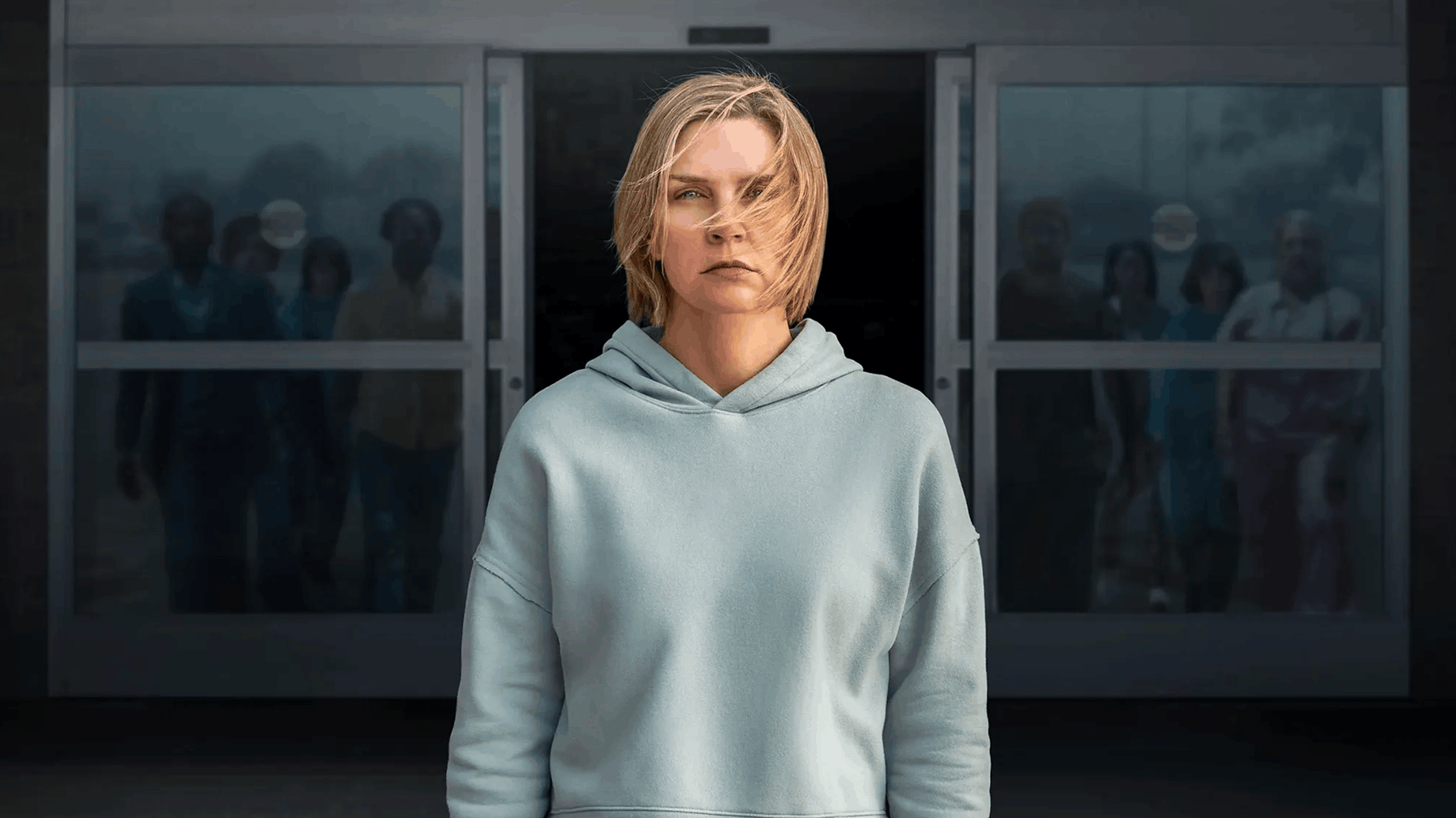
Pluribus asks the provocative question: What if the apocalypse looked like a bunch of nice people granting your every wish? That’s the fate of Carol Sturka (Rhea Seehorn), a fantasy novelist who is one of only 13 people in the world immune to an alien virus that turns the rest of humanity into a peaceful, content hivemind. As the ill-tempered Carol struggles mightily to “save the world,” we’re often left wondering whether she’s a hero or a villain—and whether our individualism is worth more than world peace.
Creator Vince Gilligan, previously known and justly lauded for Peabody-winning shows Breaking Bad and Better Call Saul, spends his considerable cultural capital here to make a big swing of a project for Apple TV, full of complex themes and centering a tour-de-force performance by Seehorn. Reviewing it for The Guardian, Lucy Mangan sums it up thusly: “Is there an inherent evil to extremism? If even the most apparently benign form—everyone be happy!—leads to the suffering of those who cannot or will not comply (let alone the impact it has on the ability to make progress in a civilisation), what are we to make of all its other forms?”
Or, as Gilligan said on our podcast We Disrupt This Broadcast: “If you could be nothing but happy, would that even be a healthy thing for you as an individual? You can’t have light without darkness. You have to have contrasts in life. There has to be such a thing as sadness, misery, depression, whatnot, for happiness to have any meaning, maybe.”
Where to Watch: Apple TV
Explore More at Peabody’s Website: Pluribus
The ‘Pluribus’ Trailer
Dive Deeper
Further Listening: Pluribus: Vince Gilligan and Rhea Seehorn on Individuality, Happiness, and Letting the Audience Decide
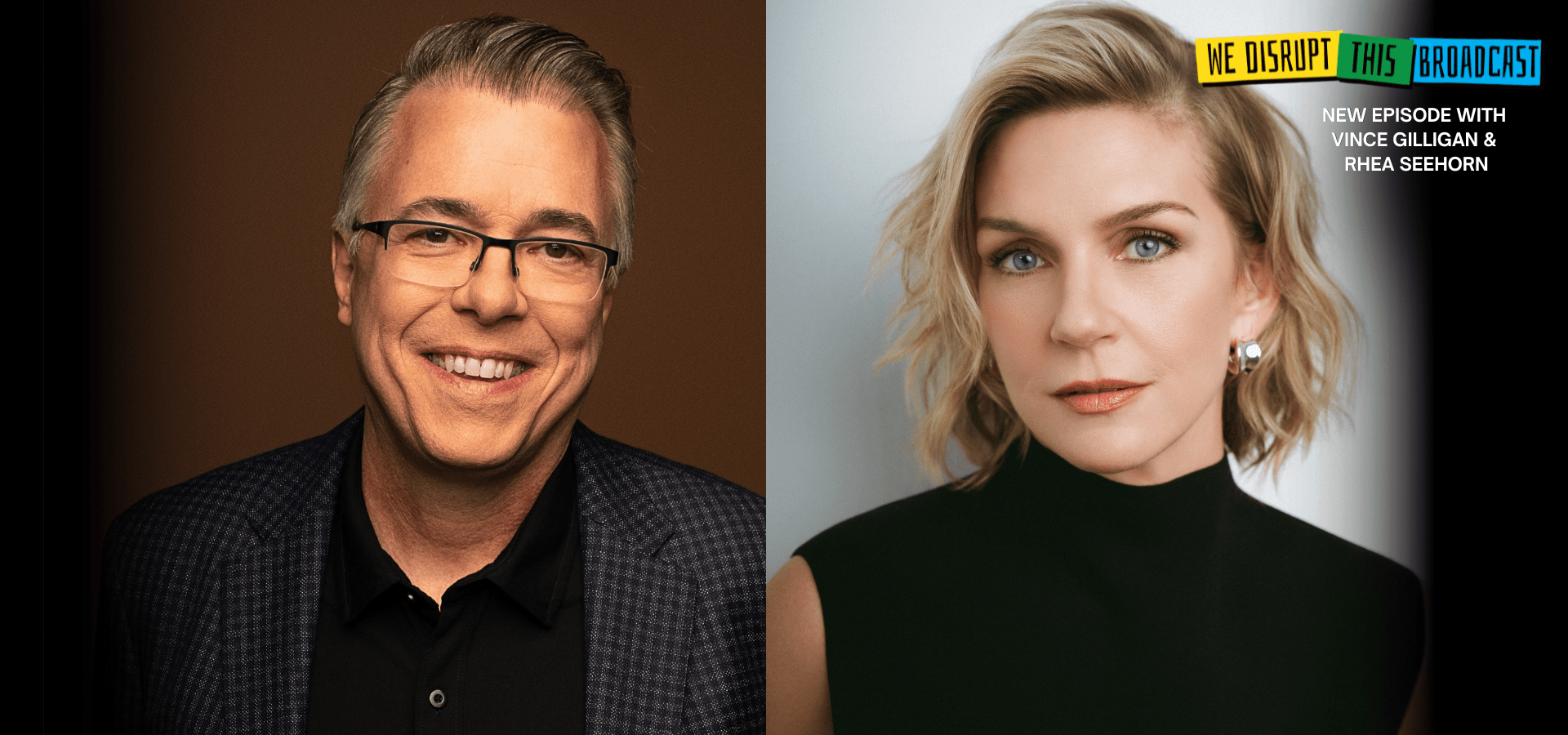
“In hindsight, I probably thought to myself, ‘If everyone on Earth is happy, then our main character probably should not be,'” Gilligan says of creating Carol. “I mean, that’s just Drama 101.”
Where to Listen to We Disrupt This Broadcast: PeabodyAwards.com
Rhea Seehorn’s Peabody Conversation about ‘Pluribus’
“Whatever your interpretation is, the show really assumes the intelligence of the audience in a way that what you’re bringing to it is part of the story,” Seehorn says. “I didn’t think it was just happenstance that many journalists that I spoke to said, ‘It has to be about AI,’ and I said, ‘Because that is a threat to you right now.'”
Where to Watch: PeabodyAwards.com
Starred Review: In ‘Pluribus,’ isolation is the price of a frictionless life
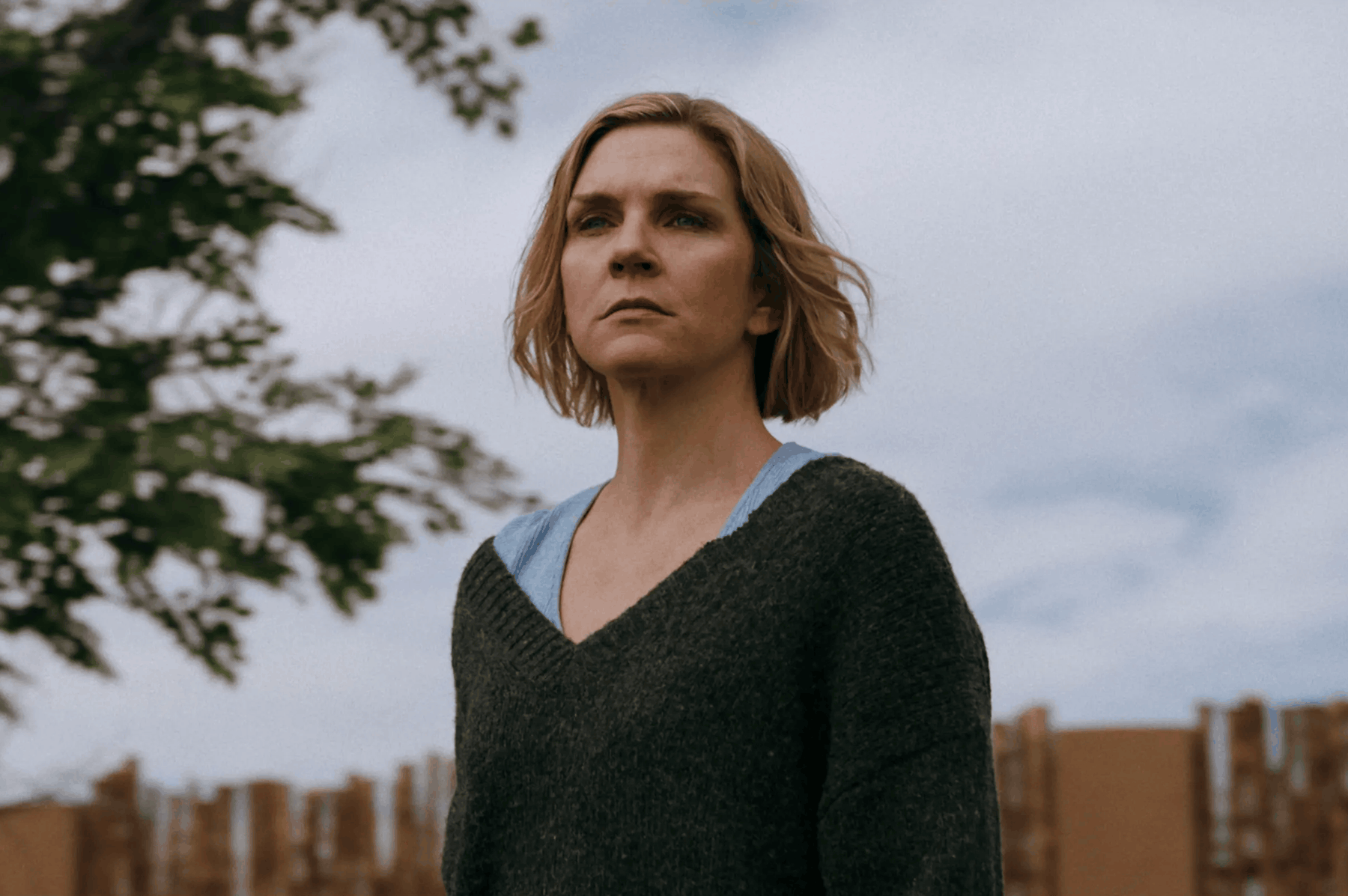
Like Breaking Bad and Better Call Saul, which blend darkness with humor, “Pluribus, too, is a brutal watch as Carol finds herself deep in grief, walking through empty buildings, driving deserted neighborhoods, experiencing the arid desolation of a frictionless life,” Linda Holmes writes for NPR. “But the collaboration between Gilligan and Seehorn also is built on how funny she is, how perfectly suited to both his willingness to plumb deep wells of sadness and the playfulness that made him an ideal collaborator with Bob Odenkirk.”
Where to Read: NPR
How It Happened: ‘Pluribus’ Is a Singular Vision of a Tedious Utopia

“I think about ‘Brave New World,’” Seehorn tells The New York Times in this behind-the-scenes set visit. “I think about even ‘Fahrenheit 451’ and Neil Postman’s essays in his book ‘Amusing Ourselves to Death,’ when he talks about the real threat is that we would come to love our oppressors instead of revolting—that everybody was just happy.”
Where to Read: The New York Times