
🏆 Recognizing #StoriesThatMatter. Never miss a newsletter! Sign up and have #PeabodyFinds delivered to your inbox.
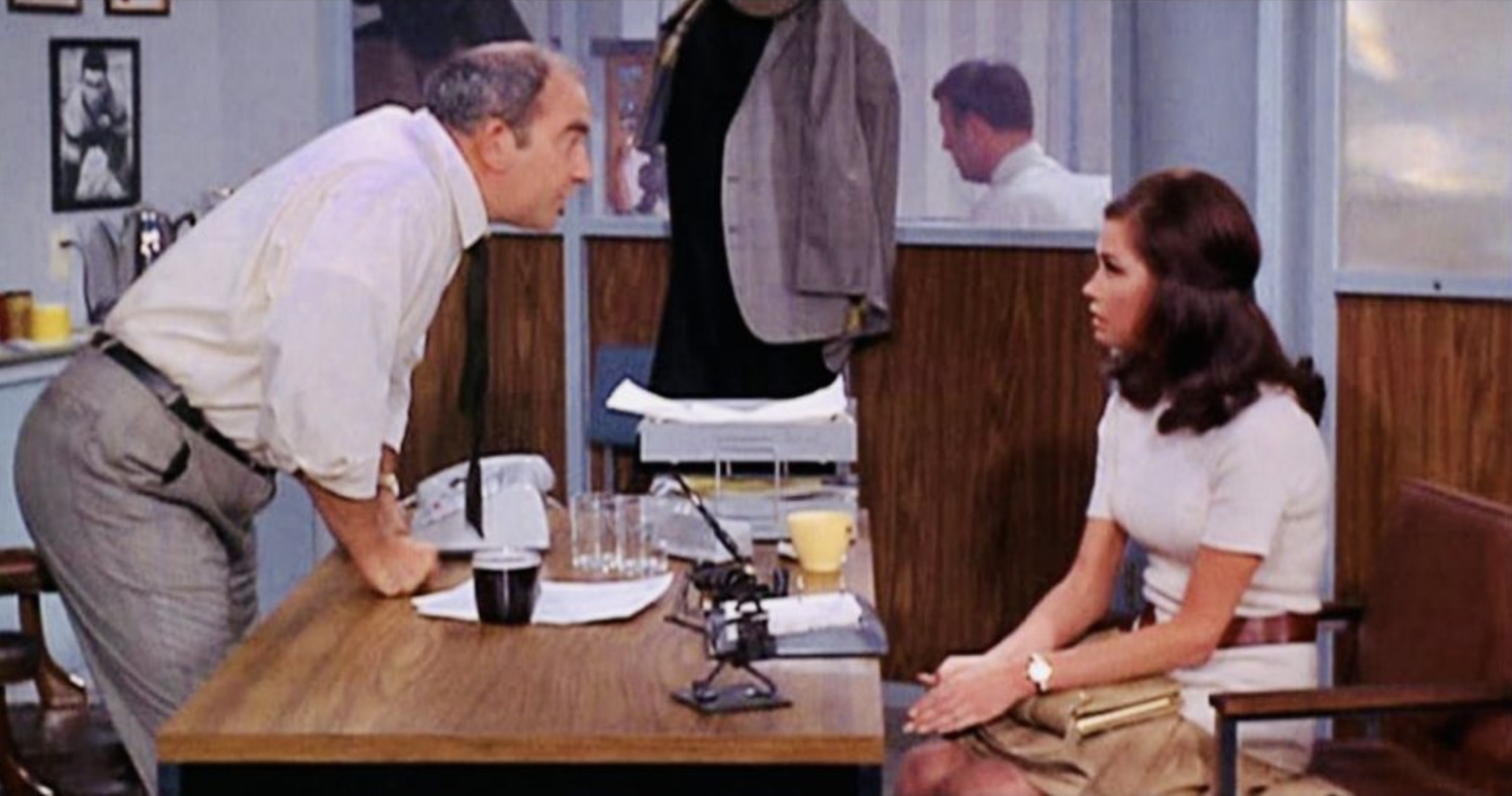
The origin story of the TV “dramedy” begins sometime around 1970 with The Mary Tyler Moore Show, though no one would use that hybrid word for a long time afterwards. The show was among the first to seamlessly include dramatic elements in what was billed as a sitcom. Even its very first episode—one of the best pilots in history—includes a touching scene in which Mary Richards (Mary Tyler Moore), who has left her former boyfriend to strike out on her own as a professional woman in Minneapolis, gets one last chance to reunite with him. She’s had a hard time securing an apartment and a job, but she’s managed to do both. She tells him she’s just fine without him. As he leaves, he says, “Take care of yourself, Mary.” Her reply: “I think I just did.”
Gets me every time.
The series would go on to tackle divorce and strained relationships with parents, among other drama-inducing storylines, and delivered one heck of a melancholy finale, too. A few years after The Mary Tyler Moore Show, another drama-comedy hybrid became a sensation: M*A*S*H, which deftly combined laughs with the horrors of war.
The dramedy genre came into its own, complete with its portmanteau label, in the late ‘80s with a spate of shows that contained light drama, serialized storylines, and no laugh track, like The Days and Nights of Molly Dodd, The Wonder Years, and Ally McBeal. Dramedies have since flourished in the streaming era, with streaming services less reliant on strict genre boundaries. Thus we’ve gotten Barry, Atlanta, Better Things, Somebody Somewhere, Dead to Me, and Succession, the funniest dead-serious drama to grace television, and Ted Lasso, one of the most emotional comedies. All of these series demonstrate that crossing genre boundaries leads to more than just toggling between happy and sad—it actually encourages experimentation and leads to innovation no one dreamed could happen in television back in 1970.
Here, a history of the dramedy in seven episodes.
The Wonder Years, ‘Swingers,’ season 1, episode 2
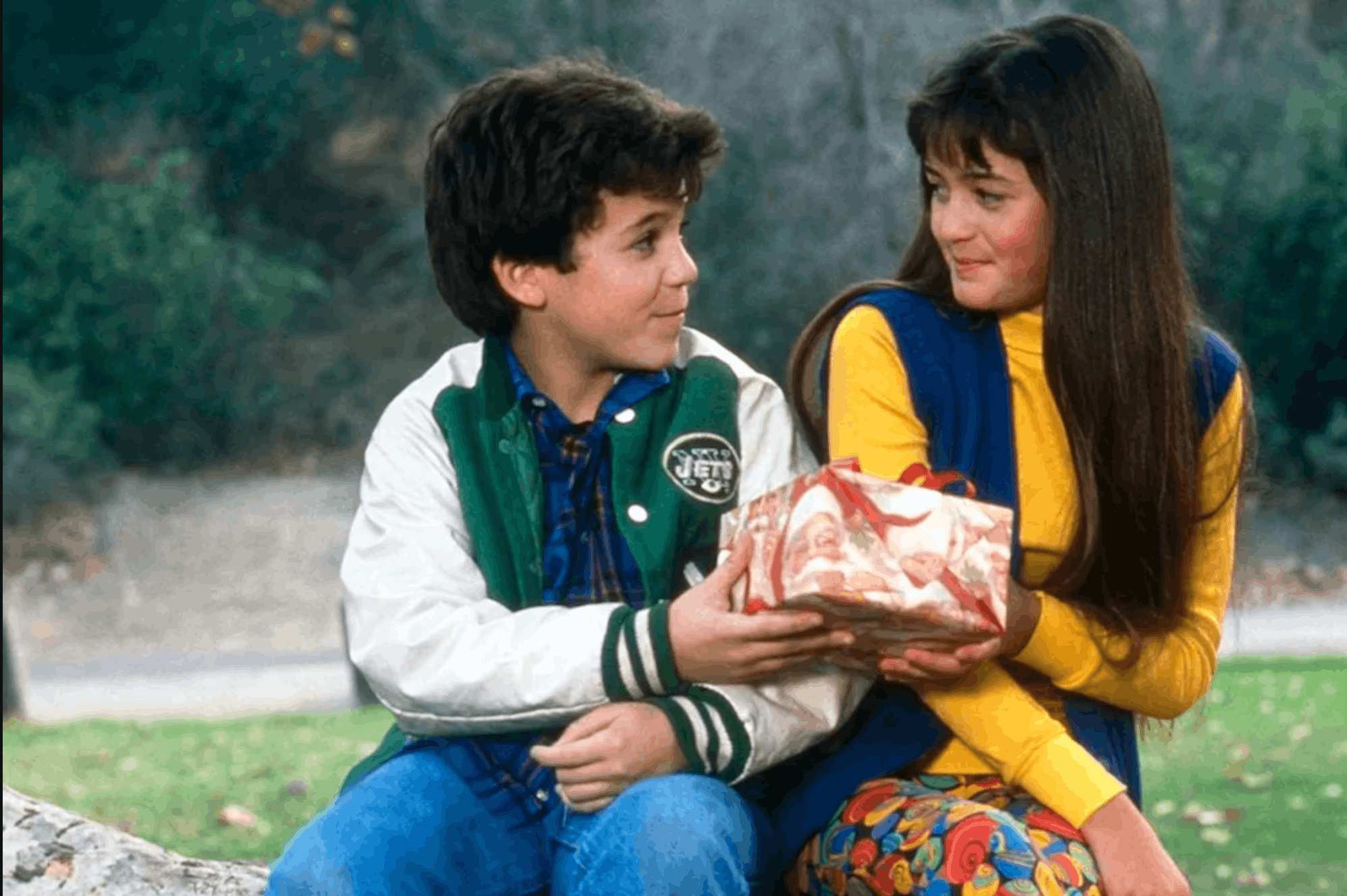
The first four episodes of this show announce its unique tone and vision: We’ll be following Kevin (Fred Savage), a 12-year-old coming of age in 1968. He’s narrating as an adult from roughly “now”—that is, 1988, when the show premiered—with the wit, humor, and wisdom that age has afforded him. But his childhood falls at a time when things are pretty messy in American life, with the first few episodes focused on the death in Vietnam of the older brother of Kevin’s crush Winnie (Danica McKellar). The few moments of levity amidst the seriousness, like Kevin trying to seem cool while bringing Winnie some food, establish that viewers are in for something special.
Where to Watch: Disney+
Explore More The Wonder Years on Peabody’s Site
Ugly Betty, ‘Don’t Ask, Don’t Tell,’ season 1, episode 18
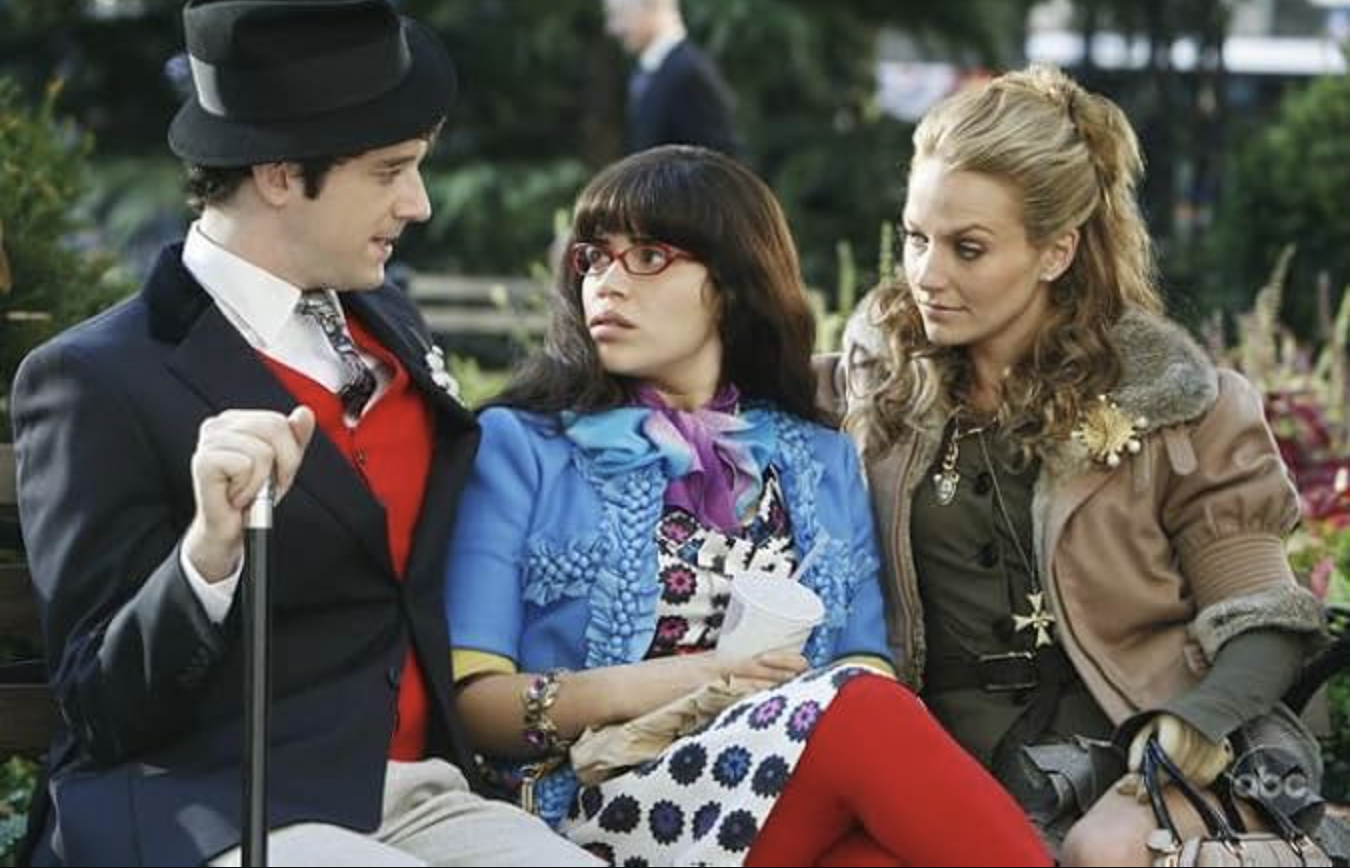
Ugly Betty nailed the complex tonal balance of adapting a telenovela for American audiences, combining high drama, zippy quips, and grounded personal stories, all with fashionable aplomb. This first-season episode shows off the series’ more sensitive side as our heroine Betty Suarez (America Ferrara), an unlikely assistant at Mode magazine, helps her co-worker Marc (Michael Urie) pretend to be straight when his mother comes to visit. Airing in 2007, this episode was still at the forefront of depicting gay characters’ struggles on television. While there’s still plenty of humor in their farce relationship as well as the corporate power struggles going on above them—Judith Light is always funny as Mode matriarch Claire Meade, and here she’s handcuffed to a bed—there’s also a true tearjerker of a bittersweet ending.
Where to Watch: Disney+
Explore More Ugly Betty on Peabody’s Site
Fleabag, season 2, episode 4
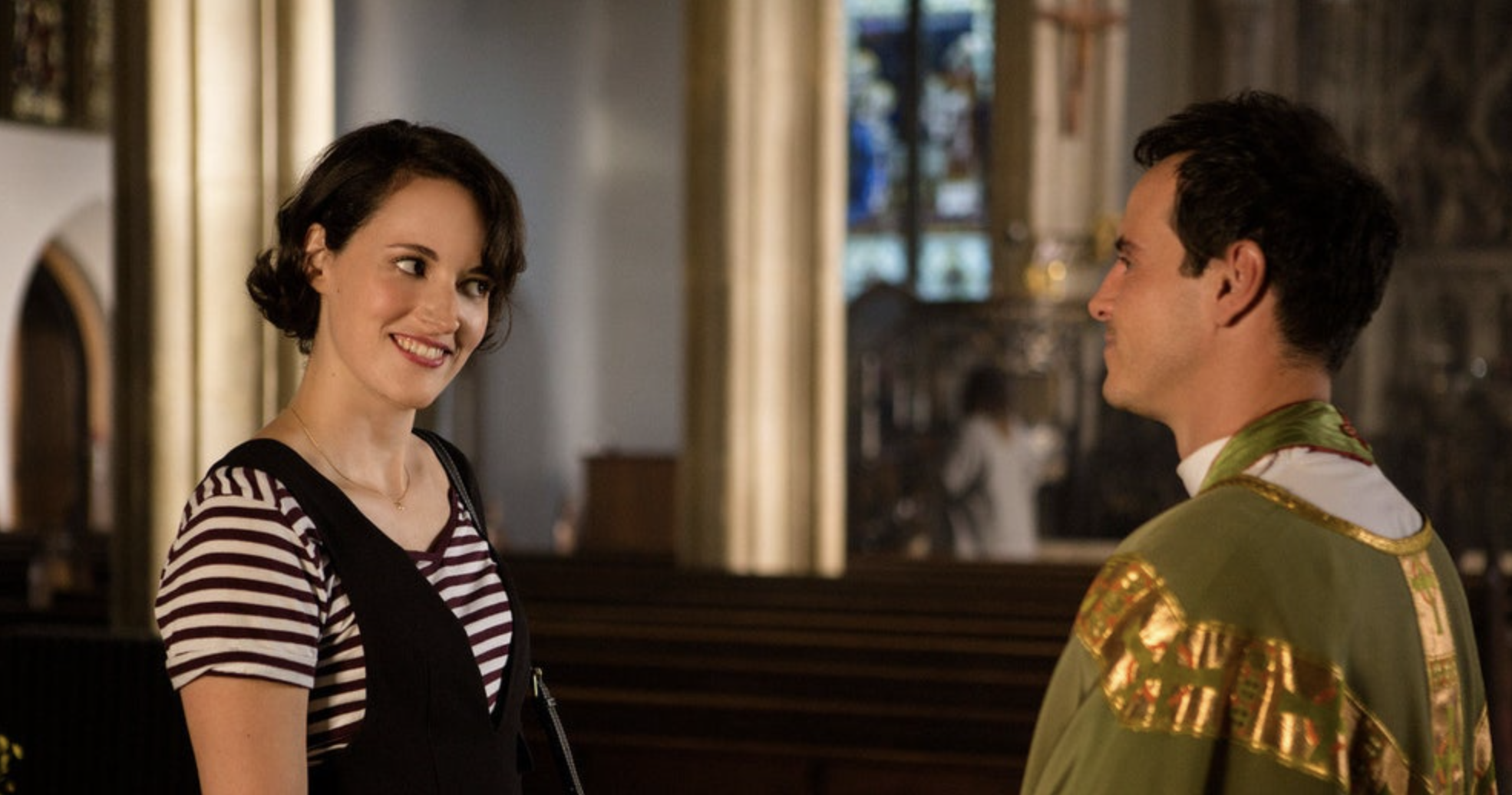
Halfway through Fleabag‘s second and final season, creator-star Phoebe Waller-Bridge uses her character’s habit of breaking the fourth wall to do something totally new: show us that Hot Priest (Andrew Scott) has invaded her soul. He calls her on her habit of seeming to drift off when she’s talking to us, and he even makes eye contact with us, the audience, through the camera. Given that the series follows Fleabag on her journey from self-hatred and guilt to redemption after her best friend’s death, this is a major moment, played for drama, surprise, and laughs. It was also a completely new way to use an old device that goes back to the earliest of films, through Annie Hall, Ferris Bueller’s Day Off, and more. This would all lead to one of the best finales in TV history and an arguably flawless run for a series.
Where to Watch: Amazon Prime
Explore More Fleabag on Peabody’s Site
Atlanta, ‘Teddy Perkins,’ season 2, episode 6
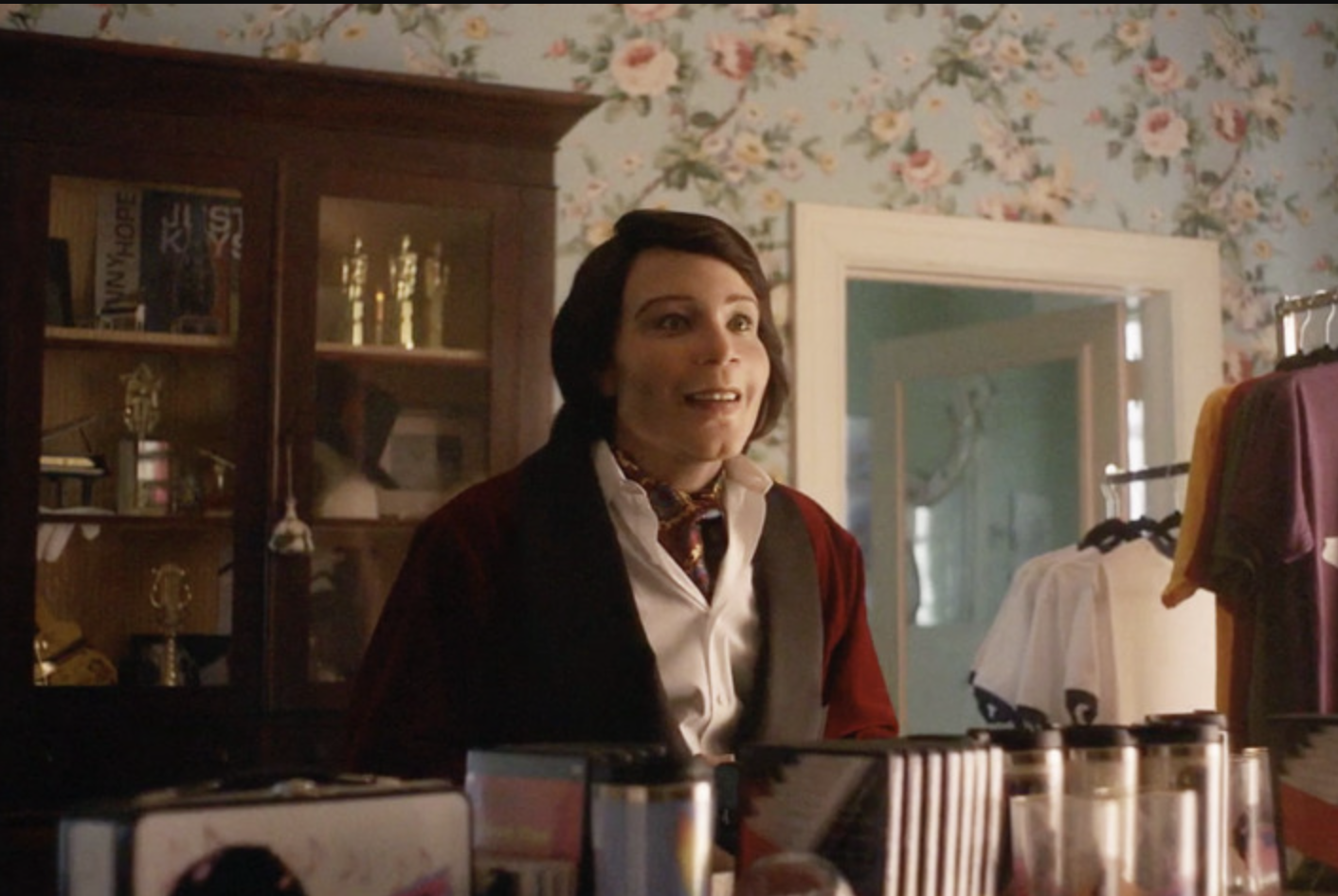
This episode marked Atlanta’s sharp turn toward the surreal, after mostly following a standard plotline about Earn Marks (creator-star Donald Glover) working to make his cousin Paper Boi (Bryan Tyree Henry) into a rap star. In “Teddy Perkins,” their eccentric friend Darius (LaKeith Stanfield)—the Kramer to Earn and Paper Boi’s Jerry and George—goes to pick up a used piano from a strange man in a desolate mansion. Suddenly, Atlanta has become a deeply unsettling thriller, with Glover (uncredited) playing the creepy piano-seller in whiteface, and we understand that this show has no problem crossing genre boundaries, something it would do even more in its final season.
Where to Watch: Disney+
Explore More Atlanta on Peabody’s Site
Barry, ‘710N,’ season 3, episode 6
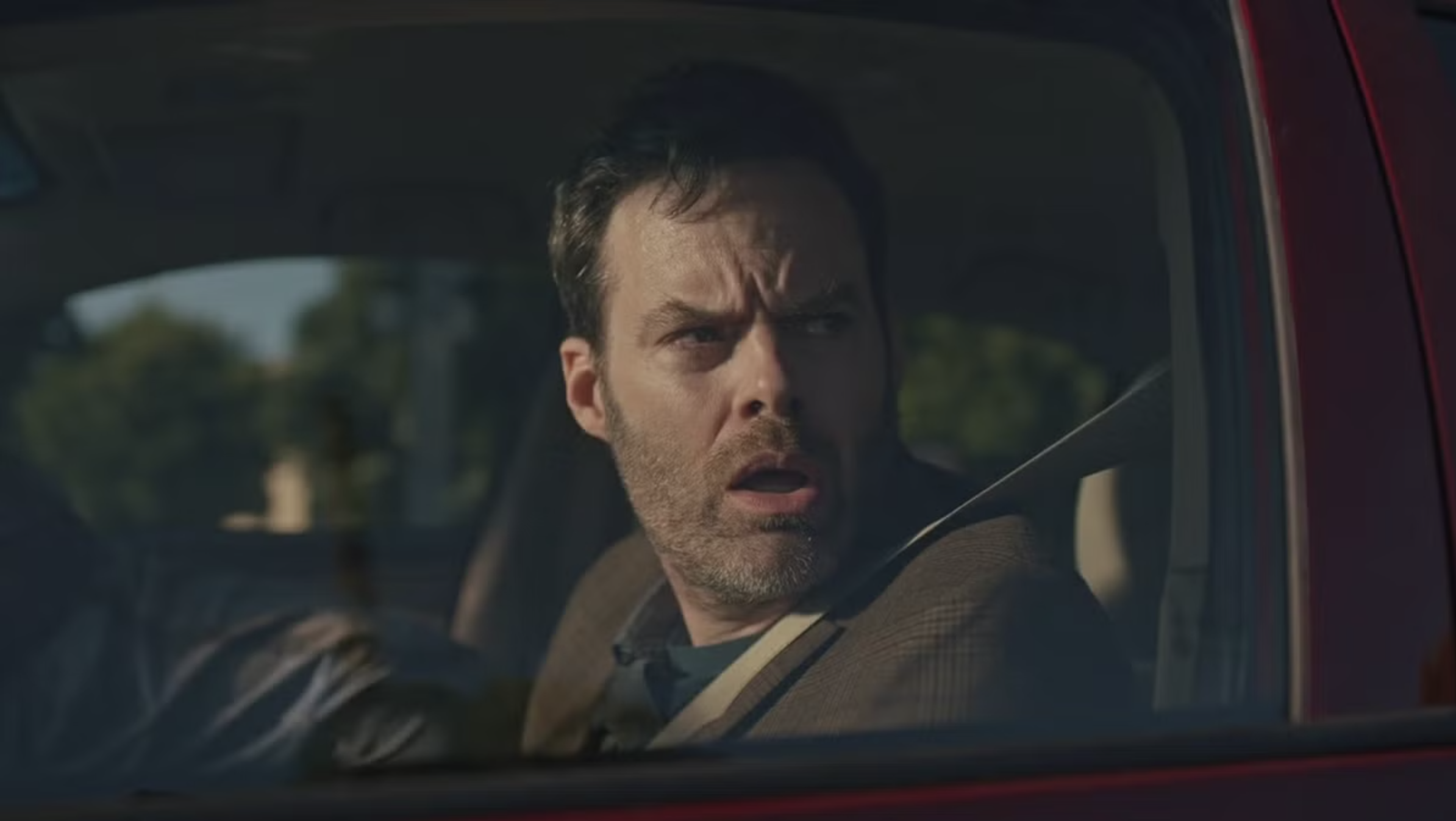
Barry takes the bad-guys-with-feelings trope pioneered by Quentin Tarantino and blows it wide open, following a traumatized war veteran-turned-hitman who discovers that what he really wants to do is act. This episode includes several of Barry‘s most astonishing tricks, whether it’s Barry (Bill Hader) being attacked by a biker gang while trying to deliver beignets to a party, a very funny sequence about Barry’s recent ex-girlfriend Sally (Sarah Goldberg) trying to get a show on the BanShe streaming service, or a jaw-dropping motorcycle chase sequence through LA traffic.
Where to Watch: HBO Max
Explore More Barry on Peabody’s Site
Succession, ‘Dundee,’ season 2, episode 6
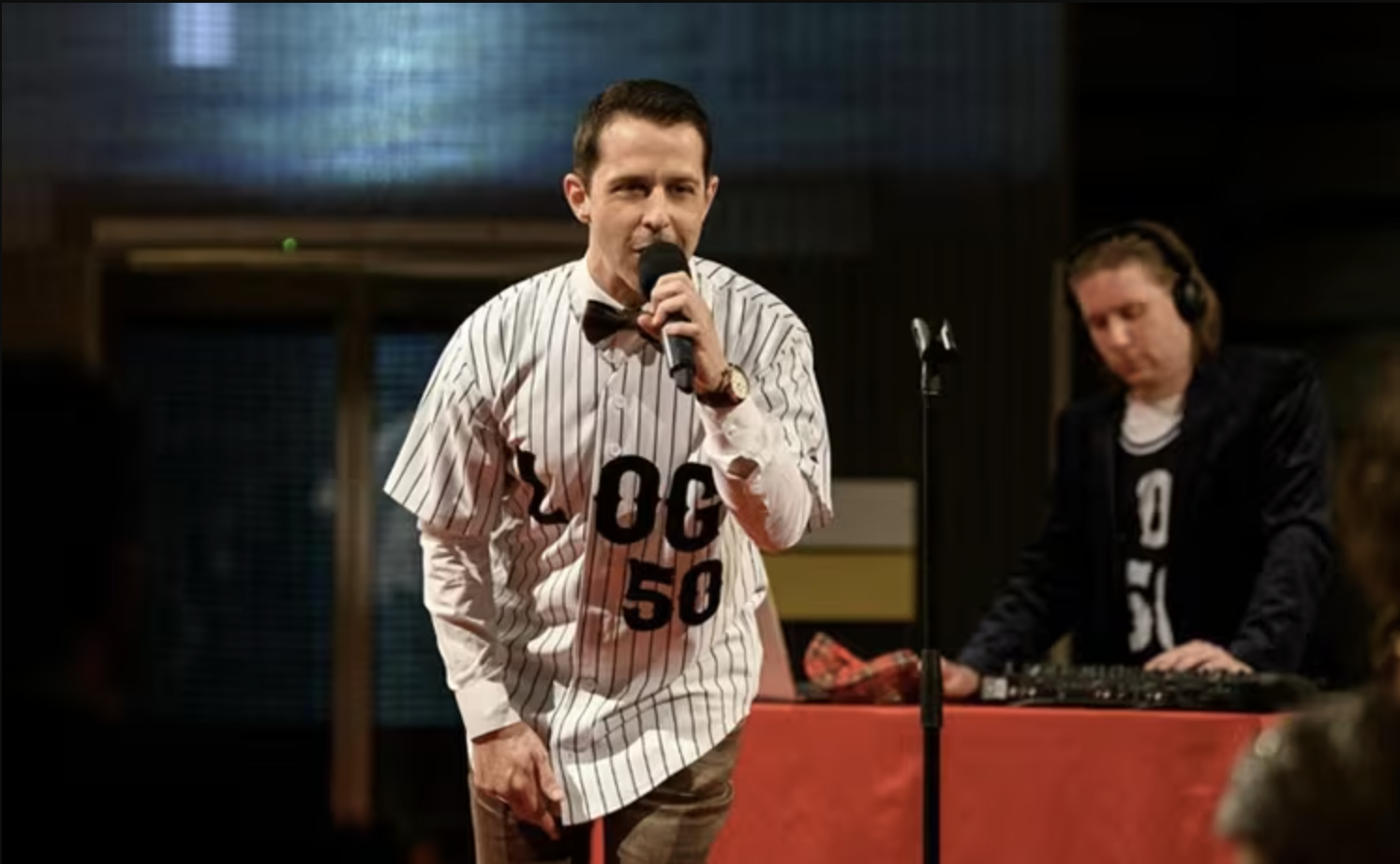
“Dundee” is not even close to the best episode of Succession. (There’s no doubt that’s “Connor’s Wedding.”) But Succession’s magic trick is taking Office-style cringe comedy to heights no human should ever have imagined, and Kendall (Jeremy Strong) delivering a suck-up rap for his father, Logan (Brian Cox), at a major public event will give you cringe PTSD. The original song, “L to the OG,” contains such couplets as, “Bro, don’t get it twisted, I’ve been through hell… But since I stan Dad, I’m alive and well.” While we’d get plenty more macabre drama from this family fighting over the last vestiges of a media fortune, we couldn’t have asked for a clearer (or funnier) thesis statement than that.
Where to Watch: HBO Max
Explore More Succession on Peabody’s Site
Ted Lasso, ‘Sunflowers,’ season 3, episode 6
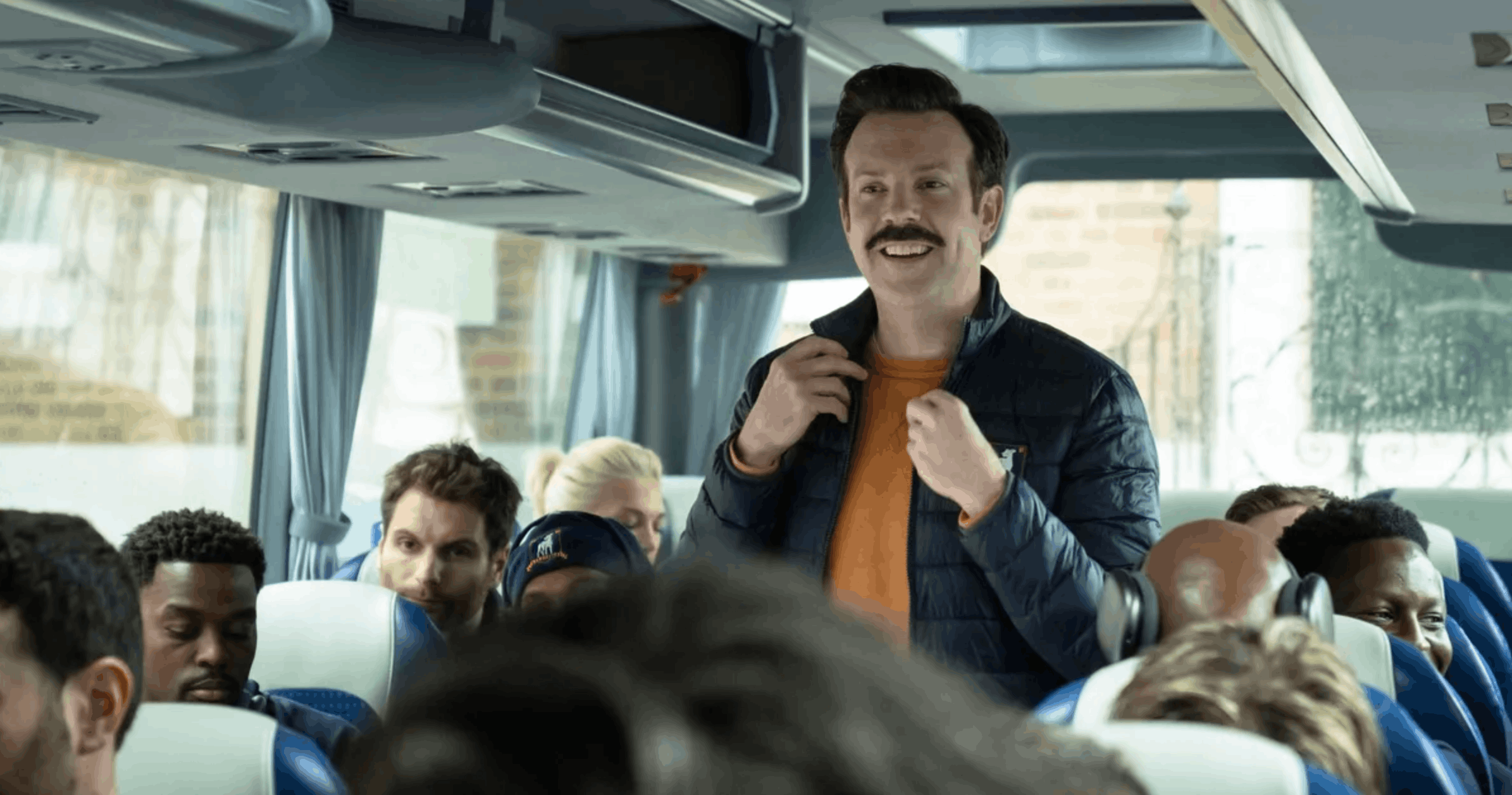
Premiering in 2020, Ted Lasso led the way in bringing the dramedy back to its roots: a generally light touch with some moments of feeling. In “Sunflowers,” the best episode of its final season (before its return was announced for this year), American coach Ted Lasso (Jason Sudeikis) and his British soccer team are in Amsterdam for an exhibition game, after which many of them go their separate ways for the night. Team owner Rebecca (Hannah Waddingham) experiences the entire arc of a rom-com when she’s hit by a cyclist, falls into a canal, and is helped by a handsome onlooker with a nearby houseboat. Former rivals Roy (Brett Goldstein) and Jamie (Phil Dunster) connect on a sweet bike ride to see windmills. And Ted has two crucial insights after drinking what may or may not have been psychedelic-laced tea and visiting the Van Gogh museum; he has a vision for a new game strategy, and he realizes that there’s no place like home.
Where to Watch: Apple TV
Explore More Ted Lasso on Peabody’s Site