

🏆 Recognizing #StoriesThatMatter. Never miss a newsletter! Sign up and have #PeabodyFinds delivered to your inbox.
When Barbara Walters was at the peak of her powers, she hosted an annual special called the 10 Most Fascinating People, naming those she felt had most shifted the culture that year, from politicians to royalty, sports figures to authors, tech titans to TV personalities. We no longer have Walters to bring us inside fascinating lives, but last year did bring an exceptional crop of documentaries about people who have shaped culture, including Walters herself, as well as Pee-wee Herman, Martin Scorsese, and more. These documentaries balance access to their subjects with clear-eyed views of their faults, tell difficult histories through their life stories, and show us what it takes to truly change culture.
‘Pee-wee as Himself’
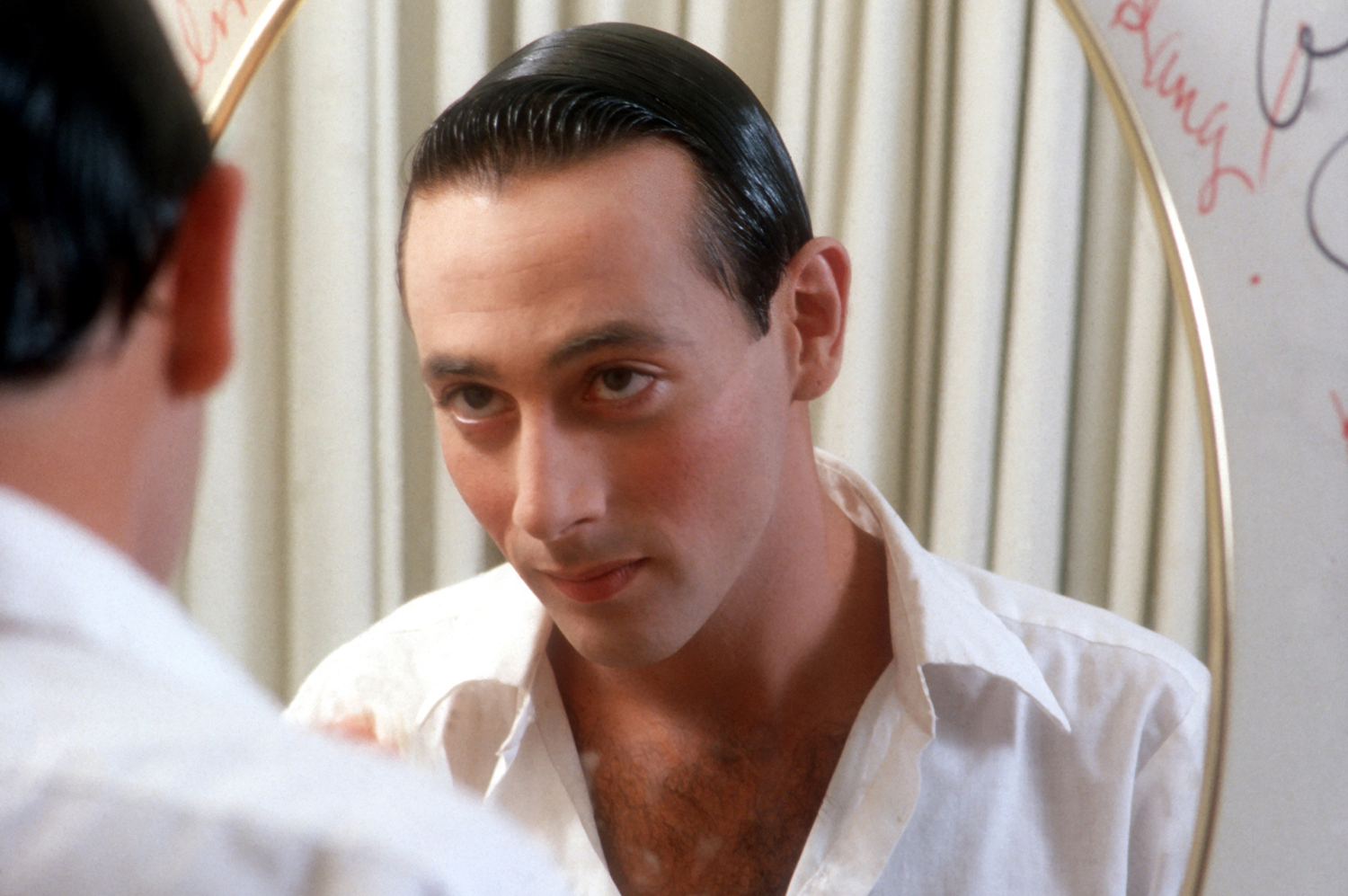
Performer Paul Reubens created Pee-wee Herman, the campy character of a child-like nerd in an adult’s body that became so successful—as the star of a visionary children’s show and films—that it devoured his own identity. This two-part HBO series contains his last interviews, and he died of cancer before production was complete. The complication: Reubens hadn’t disclosed his condition, which he’d been battling for several years, and his death came before filmmaker Matt Wolf could interview him about the most contentious part of his story, his arrests on indecent exposure and child pornography charges. (He denied the latter.) The other complication: We witness Reubens several times throughout the series arguing with Wolf or trying to redirect questioning. The result is a fascinatingly barbed portrait of someone who was used to directing his own image, even if he didn’t always succeed.
Where to Watch: HBO Max
Explore More Pee-wee as Himself on Peabody’s Website
‘Art Spiegelman: Disaster Is My Muse’
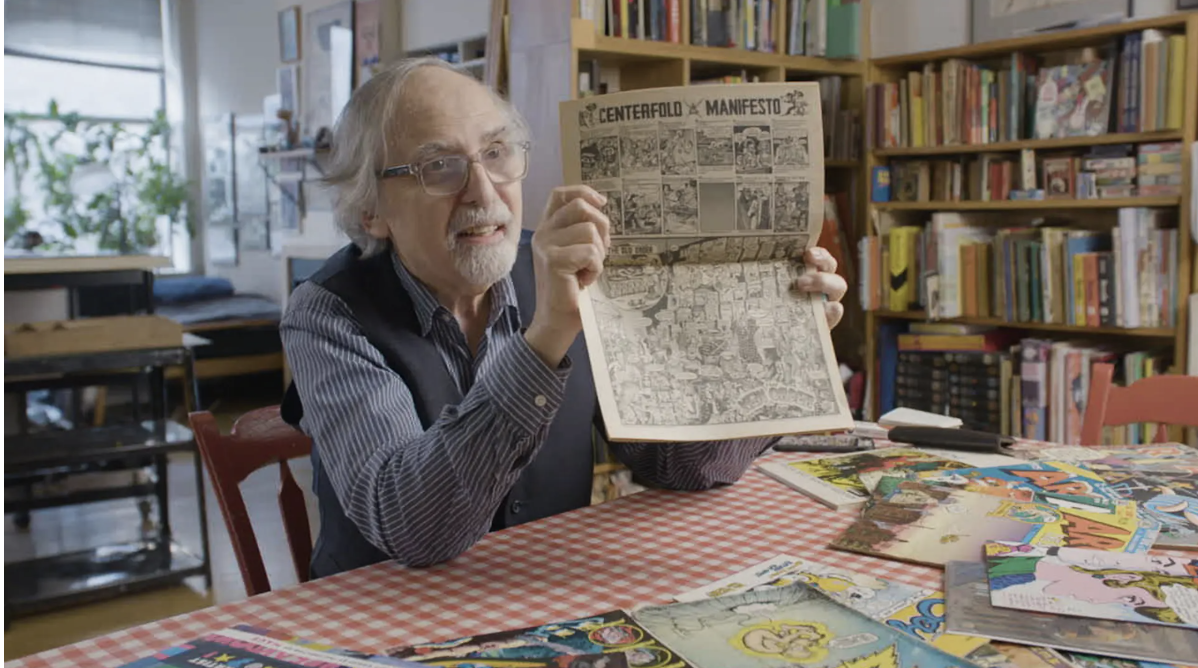
This installment of PBS’s American Masters features revolutionary cartoonist Art Spiegelman, telling the intertwined stories of his art and his life, culminating in his Pulitzer Prize–winning masterpiece Maus. The graphic novel, serialized from 1980 to 1991, dramatizes his inquiry into his father’s survival of the Holocaust and how it shaped their relationship and Spiegelman’s own identity as an interlocutor of Holocaust remembrance. While the series (and eventual books) propelled Spiegelman to popular fame, he was already a revolutionary comix creator, alongside Robert Crumb, of 1960s counterculture, through magazines such as Raw. With generous access to Spiegelman and his works—and, critically, to his partner and wife, designer Françoise Mouly—the film details the artist’s struggles with fame, his search for material, and his latest life’s chapter: fighting book bans as Maus became a target.
Where to Watch: PBS
‘Barbara Walters: Tell Me Everything’

This 90-minute film traces Walters’ rise from pigeonholed “women’s-interest” reporter to boundary-shattering co-host of the Today show, co-anchor of the evening news, and powerhouse interviewer of dictators and celebrities alike. Through archival material—including outtakes from Walters’ famous interviews—and interviews with colleagues, friends, and heirs to her legacy, it weaves a complex tale. We learn why Walters was the best at what she did, but also glimpse her attraction to power, whether through her affair with a married senator or a friendship with the abominable Roy Cohn. We also realize that Walters, who died in 2022, is a relic of a time in television that we’ll never see again.
Where to Watch: Disney+
‘Mr. Scorsese’

Martin Scorsese has made so many films that are now considered great that it can be hard not to see him as simply the wallpaper of American movie life, a fact of nature. But Rebecca Miller‘s five-part documentary series on the director plays like a great American novel: An asthmatic boy from the hardscrabble streets of New York, surrounded by Italian-immigrant tough guys and their descendants, becomes a keen observer in his youth, then turns his observations into daring films unlike anyone has seen before. He is at first misunderstood, but perseveres in his vision, with the help of some crucial collaborators—not only actors Robert DeNiro and Leonardo DiCaprio, but also longtime editor Thelma Schoonmaker. The picture isn’t always perfect, but Scorsese himself is upfront about his personal shortcomings, including a temper problem and inattention to his earlier marriages. The series plays as rivetingly as a Scorsese film, and what other documentary is going to get DiCaprio and Daniel Day-Lewis as talking heads?
Where to Watch: Apple TV
‘Sunday Best: The Untold Story of Ed Sullivan’
Director Sacha Jenkins brings this crucial chapter of television history to light, showing how the powerful variety show host Ed Sullivan came to be a key champion for Black performers during the Jim Crow and Civil Rights eras. The newspaper columnist-turned-unlikely TV personality understood the importance of his allyship, given his massive platform. While he’s famous for introducing the Beatles and Elvis to mainstream audiences, he also featured—and fought for—the likes of Bo Diddley, James Brown, Ike and Tina Turner, Harry Belafonte, Nina Simone, Mahalia Jackson, and The Supremes. Not only is this an important story, it also features generous selections from these electrifying performances—and while you watch, note how Sullivan is always careful to shake hands with or physically embrace his guests of color, a powerfully symbolic gesture.
Where to Watch: Netflix