
🏆 Recognizing #StoriesThatMatter. Never miss a newsletter! Sign up and have #PeabodyFinds delivered to your inbox.
Scripted historical dramas based on real events have existed since at least as far back as Shakespeare. They take history beyond textbooks and documentaries, often taking liberties, but also bringing past events to life while recontextualizing and reinterpreting what they mean to modern audiences. The genre has produced some of the best—and most talked-about—series of the last decade, including The Crown, Dickinson, Say Nothing, Chernobyl, and When They See Us. (See below.) It has also given us lighter and fizzier fare such as the recent sensation Love Story, which dramatizes the ultimately tragic romance of John F. Kennedy Jr. and Carolyn Bessette. In fact, historical dramas have been so prevalent in the last decade that historical consultants have been in high demand, as has archival research.
On the other hand, Love Story has also brought up a hard truth about these “true stories”: They aren’t bound by the principles of journalism and often revise history to make for more interesting scripts. This not only distorts millions of people’s understanding of past events, but also sometimes victimizes subjects who are still alive. Case in point, the recent New York Times editorial from actress Daryl Hannah taking issue with how she’s portrayed in Love Story as JFK Jr.’s ex.
The irony is that the closer a series resembles what we know and remember about the past, the more damaging it can be. There’s a difference between period dramas—even historically rooted series like Fellow Travelers, which includes real figures such as Roy Cohn and Joseph McCarthy, but centers completely fictional characters—and these shows, which aim to help viewers truly understand events and people who existed.
Here, some of the best of these recent series, and the ways they dealt with skewed and unconfirmed facts.
‘Chernobyl’
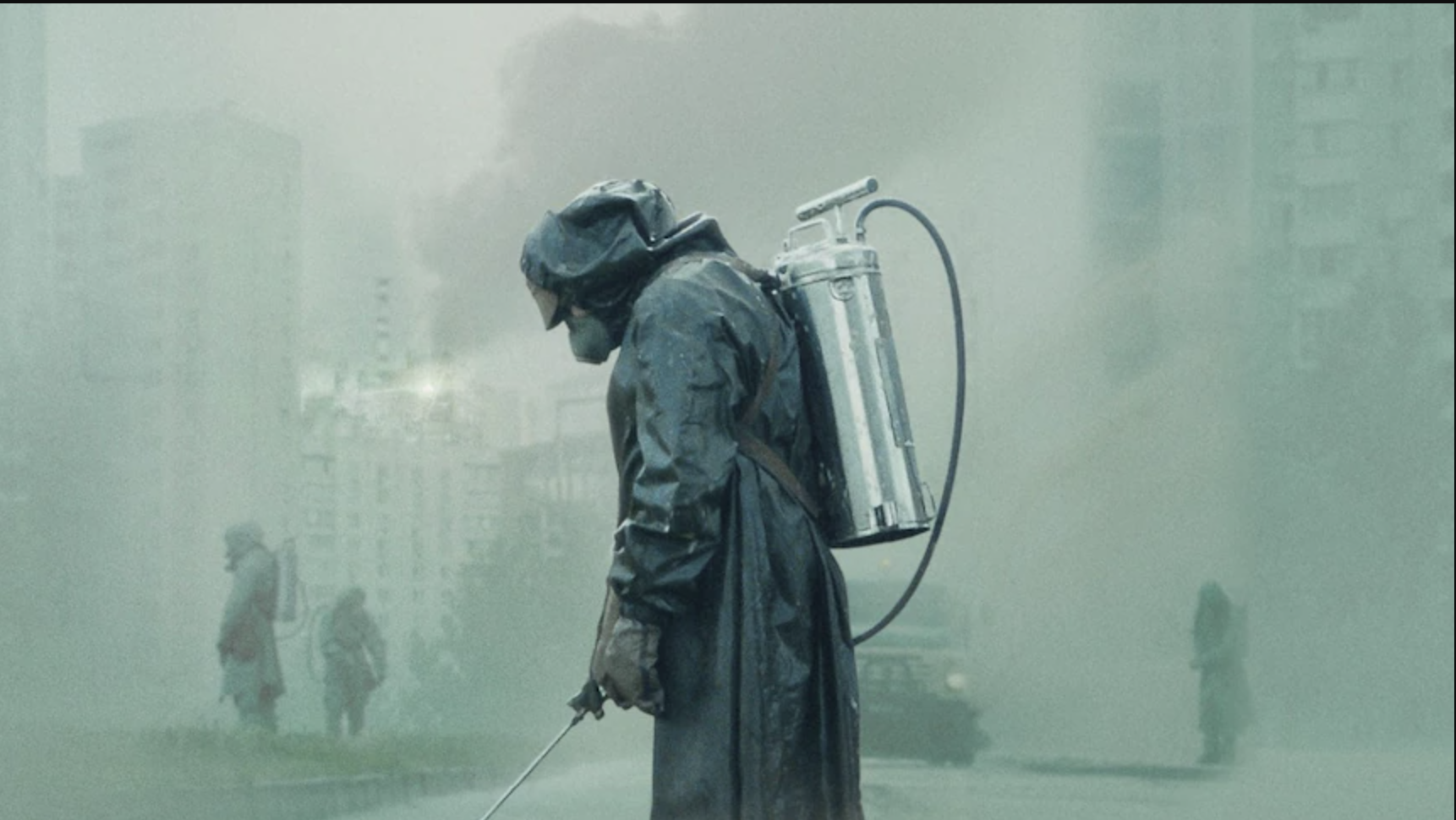
Chernobyl chronicles the 1986 Soviet nuclear power plant explosion and its aftermath. Created and written by Craig Mazin, the five-part series does invent some characters and contains some slippery science, but each episode was accompanied by a podcast in which Mazin and NPR host Peter Sagal discuss the liberties taken. The stories are based in large part on the recollections of locals contained in the book Voices from Chernobyl by Belarusian Nobel laureate Svetalana Alexeivich, including the story of first responders who dug a crucial tunnel under one of the reactors—covering the cleanup efforts from the literal subterranean to the highest levels of government.
Where to Watch: HBO Max
Explore More Chernobyl on Peabody’s Website
‘The Crown’
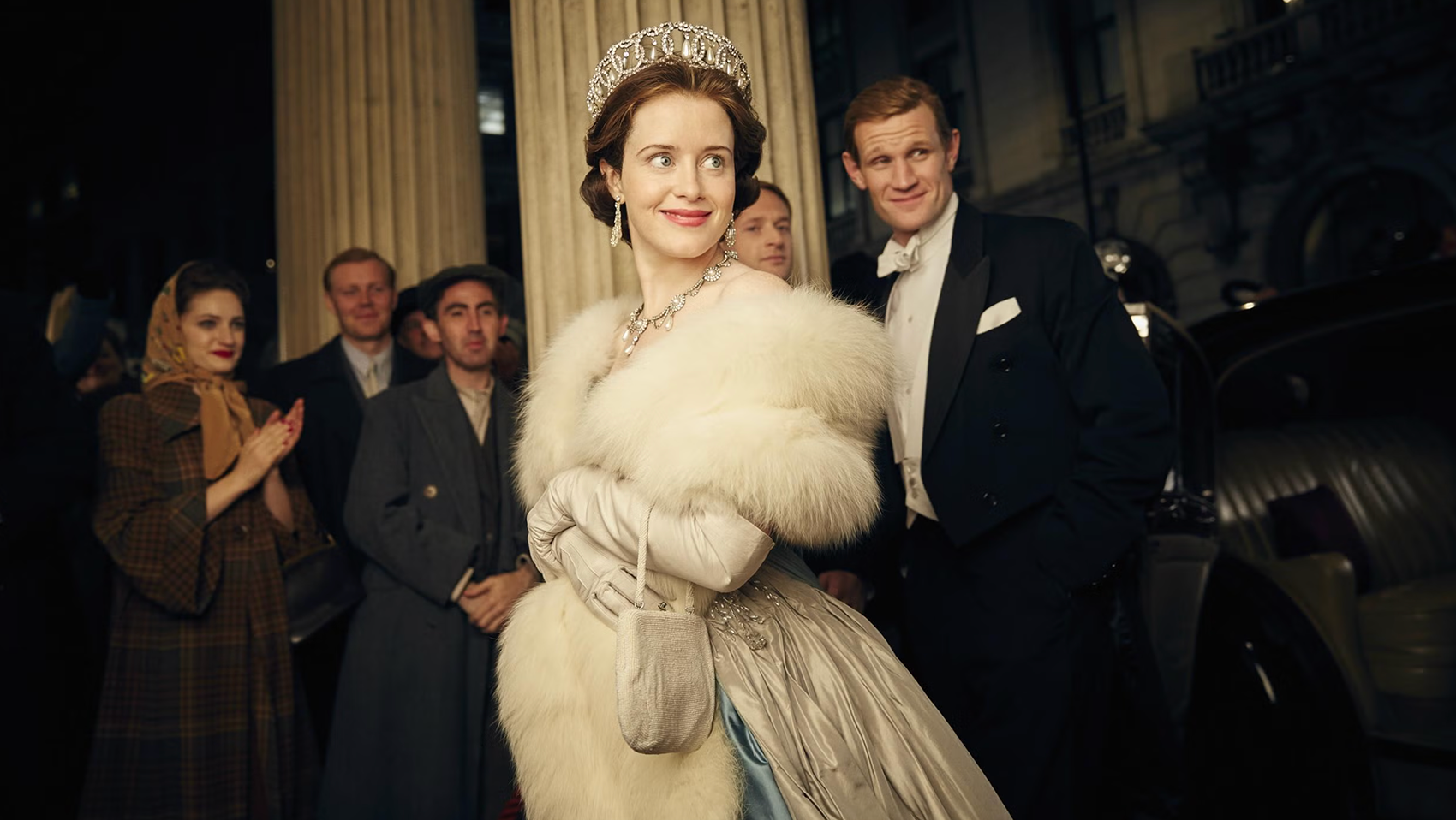
Peter Morgan, who wrote the film The Queen, developed this hit series spanning six decades of British royal history, starting with the 1947 wedding of then-Princess Elizabeth to Philip Mountbatten and concluding with the 2005 nuptials of Prince Charles and Camilla Parker Bowles. Along the way, we get the satisfaction of Elizabeth’s rise to power and the dishiness of Princess Diana‘s charm offensive and tragic end. All of this, of course, must be taken with monumental amounts of salt, with royal biographer Sally Bedell Smith saying, “because The Crown is such a lavish and expensive production, so beautifully acted and cleverly written, and so much attention has been paid to visual details about historical events, viewers are tricked into believing that what they are seeing actually happened.” It has also been characterized by Netflix as a “fictional dramatization.”
Where to Watch: Netflix
‘Dickinson’
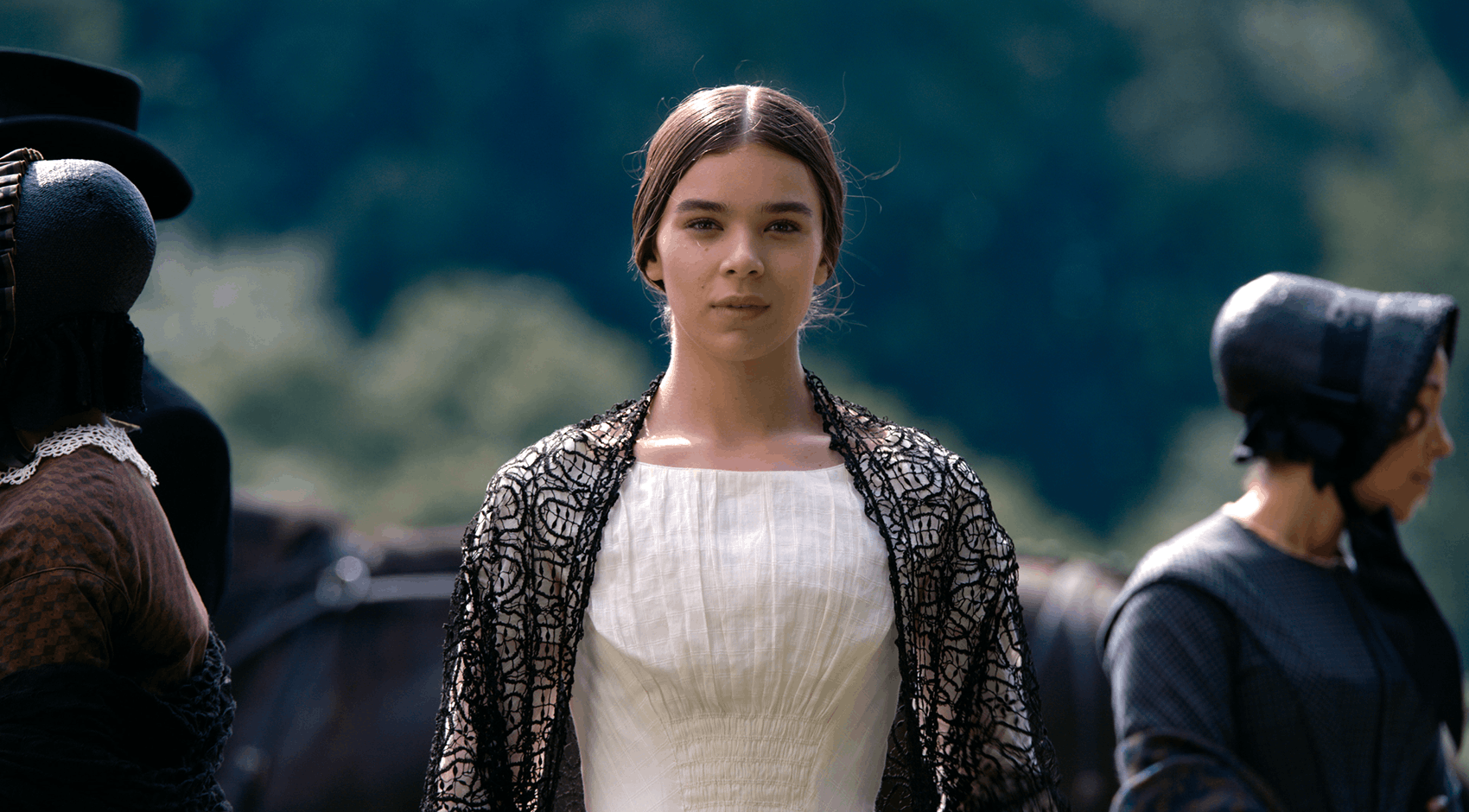
This comedy-drama take on poet Emily Dickinson’s life will not fool you for a second: Its characters talk in modern parlance, party to hip-hop, and take carriage rides with Death, played by Wiz Khalifa. But it’s a fun romp through literary history anchored by Hailee Stanfield as the poet and filled with famous current people playing famous 19th-century people, like Zosia Mamet as a hyper-ambitious Louisa May Alcott and John Mulaney as the not-really-that-isolated Henry David Thoreau.
Where to Watch: AppleTV
Explore More Dickinson on Peabody’s Website
‘Say Nothing’
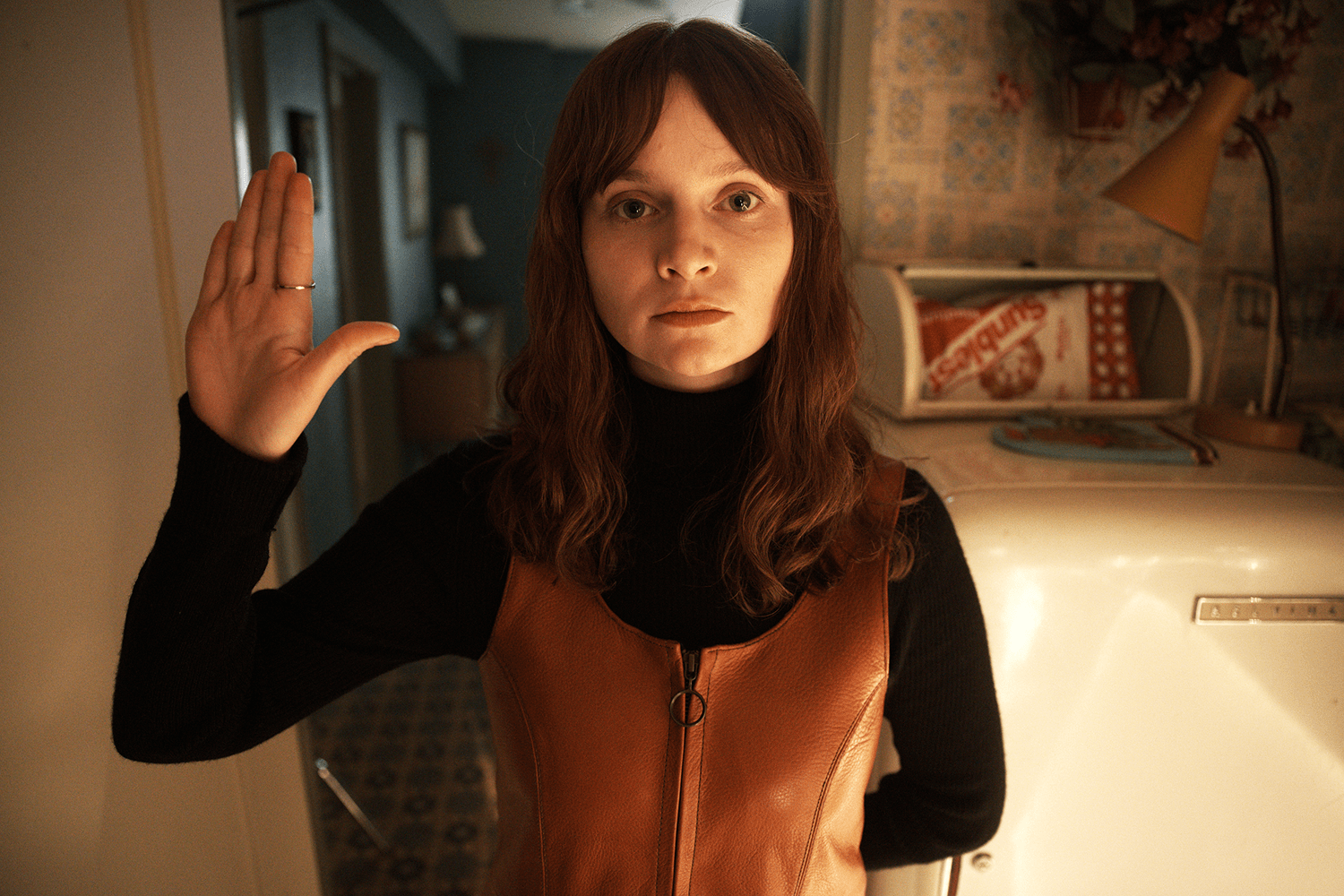
This Peabody-winning, nine-episode series, created by Joshua Zetumer and based on the book by Patrick Radden Keefe, details the lives of people growing up in Belfast during The Troubles in the 1970s through the 1990s. Historical moments include inquiries into the Disappeared, the murder of Jean McConville (Judith Roddy), the 1973 Old Bailey bombing, and the Price sisters’ hunger strike. Though Keefe is a respected reporter, the series itself may have taken some liberties, depicting Gerry Adams (Josh Finan) as a senior IRA commander, though he has denied involvement in the IRA and participation in the abduction of McConville. It also shows Marian Price (Hazel Doupe) shooting McConville, though Price has denied this. (These denials are noted with disclaimers on the series.)
Where to Watch: Disney+
Explore More Say Nothing on Peabody’s Website
‘When They See Us’
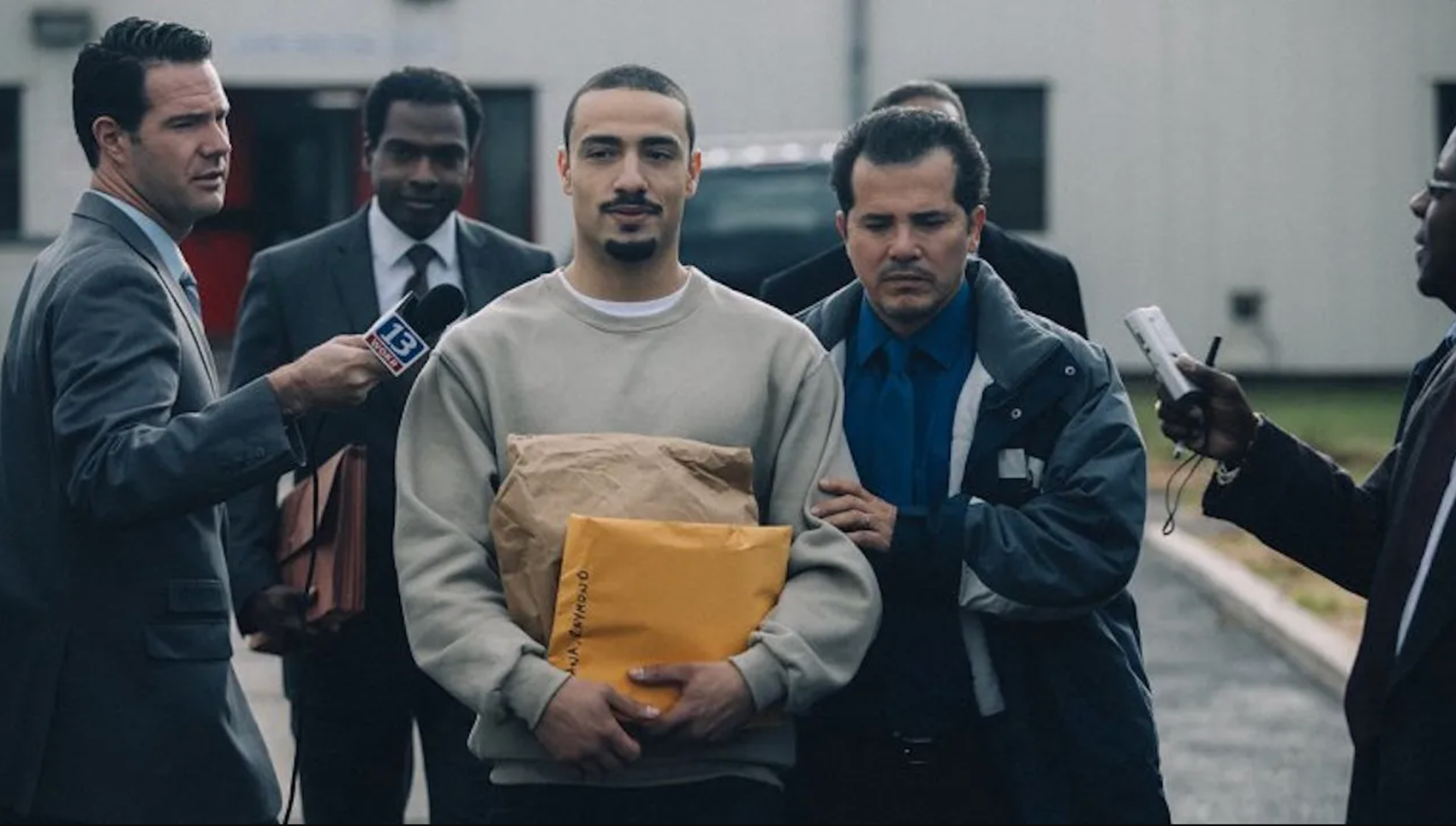
Ava DuVernay takes on the famous, but widely misunderstood, story of the Central Park Five, the teen boys of color who were coerced into confessing to the brutal 1989 rape and assault of a white female jogger. When They See Us details the coercion, the massive public attention the case attracted, the boys’ time in prison, and the experience’s lingering effects. The series received widespread acclaim (and a Peabody) for re-contextualizing the case for modern audiences, and its real-life subjects were featured in an Oprah Winfrey special, When They See Us Now. However, the New York prosecutor who handled the case, Linda Fairstein, wrote in the Wall Street Journal that it was “so full of distortions and falsehoods as to be an outright fabrication,” though she said she agreed with the accused’s eventual exonerations.
Where to Watch: Netflix
Explore More When They See Us on Peabody’s Website