
🏆 Recognizing #StoriesThatMatter. Never miss a newsletter! Sign up and have #PeabodyFinds delivered to your inbox.
Interactive Media Takes You Inside Deadly Fires, Gaza, Bias in Medicine, and More
Interactive media pulls you into unknown situations, making them feel real. These Peabody-recognized works on the deadly Maui fires, war in Gaza, racial bias in medicine, and more, build empathy through gaming, immersive storytelling, cutting-edge technology, and social media.
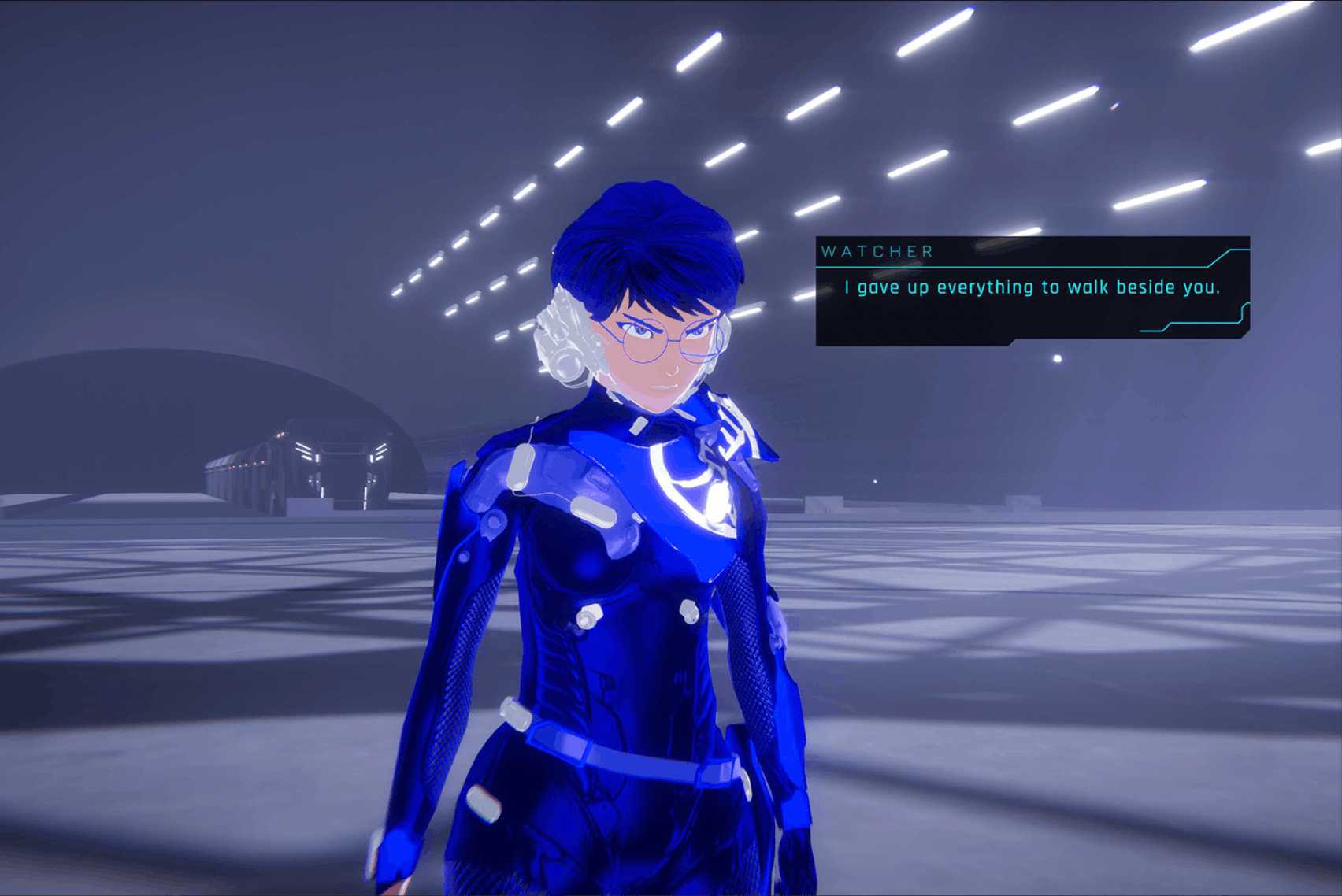
This narrative adventure game, created by a predominantly Asian-Canadian team, takes inspiration from the 2019 Hong Kong demonstrations against laws that could weaken the region’s autonomy versus mainland China. The game, set a thousand years in the future, explores themes such as intergenerational trauma and identity. Players embody the Watcher, experiencing the memories of Iris the ALLMOTHER and her clones as they navigate a post-pandemic world shaped by alien life, ultimately prompting reflection on the past and the future.
Where to Download: Nintendo.com
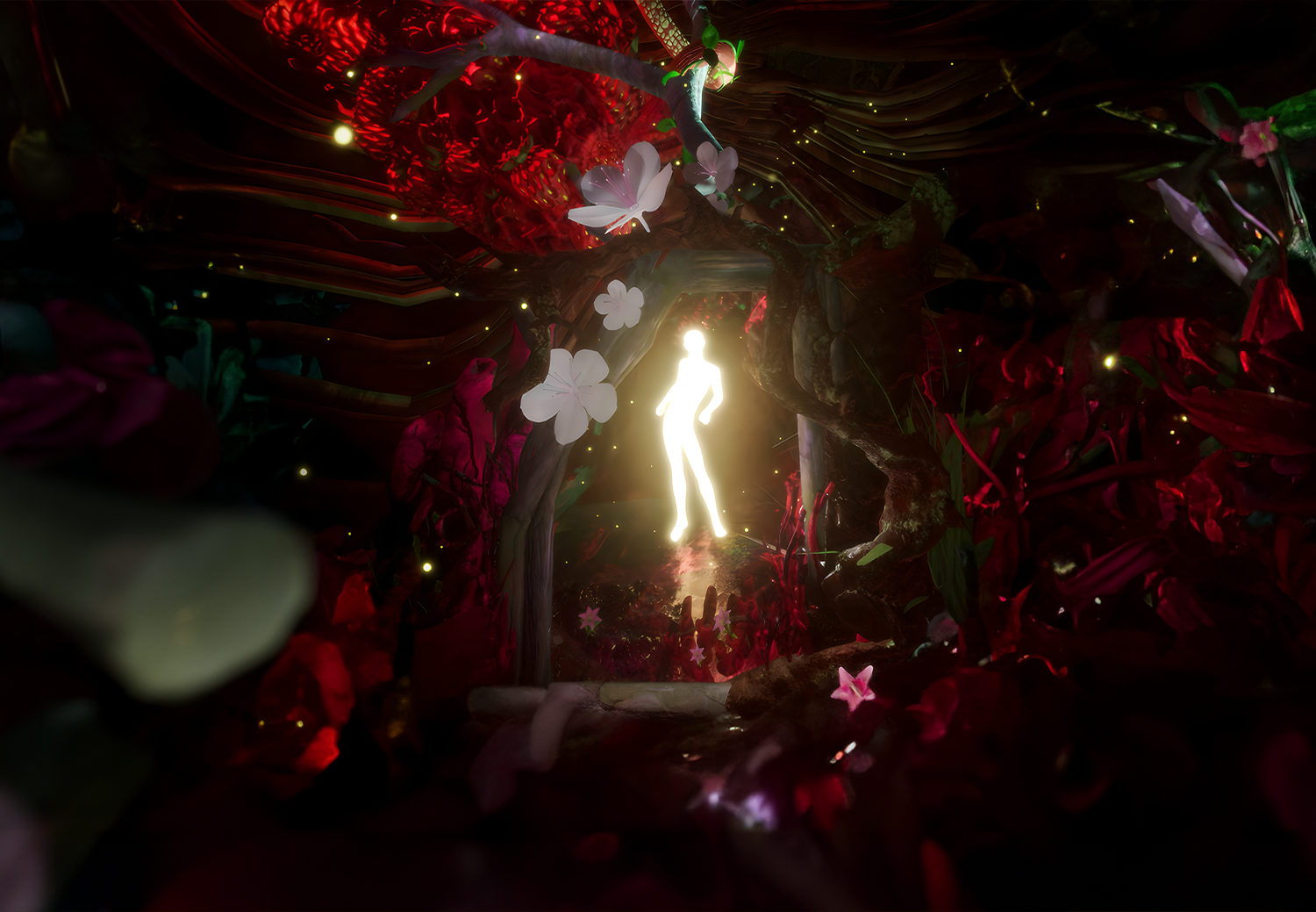
Body of Mine allows users, via immersive VR experience, to inhabit the body of a different gender, using interactive storytelling to highlight the experiences of transgender individuals. Originating from personal interviews with transgender people, the project evolved into a powerful tool for fostering empathy, healing, and education, now utilized in LGBTQ+ centers throughout North America. Its aim is to promote understanding and connection in the face of increasing transphobia.
Where to Download: Meta.com
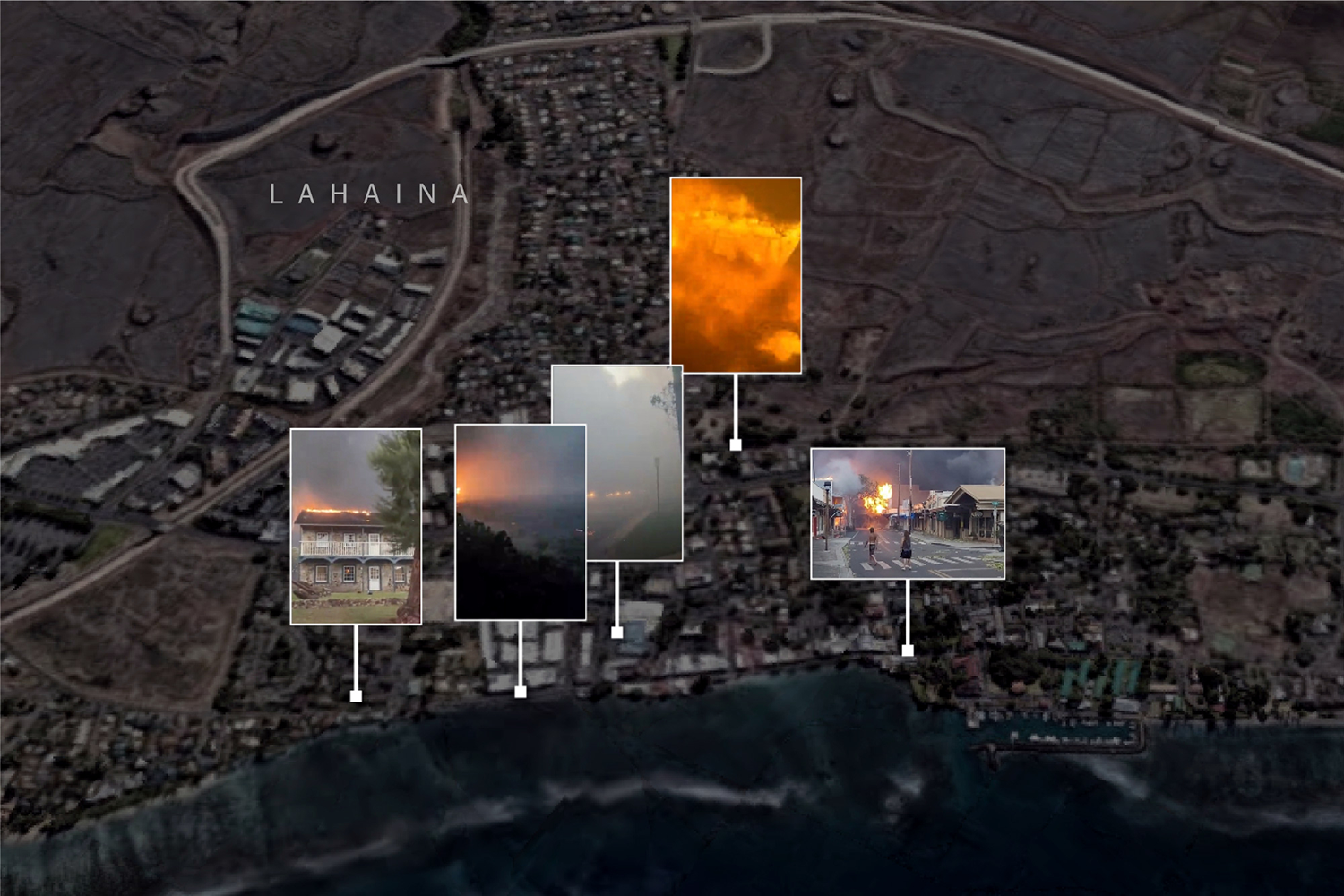
The New York Times combined more than 400 citizen videos of the wildfires that destroyed the Hawaiian town of Lahaina in August of 2023 to make a photorealistic, three-dimensional, interactive map documenting the disaster as it unfolded and its devastating aftermath. Interviews with residents, officials, and experts, along with analysis of traffic and weather patterns, revealed the systemic failures that exacerbated the death count and the damage. Those failures included weather forecasts that underplayed the risk, firefighters who left an early fire that then flared back up, and escape routes that were blocked—crucial findings to inform officials’ plans in future wildfires.
Where to View: NYTimes.com
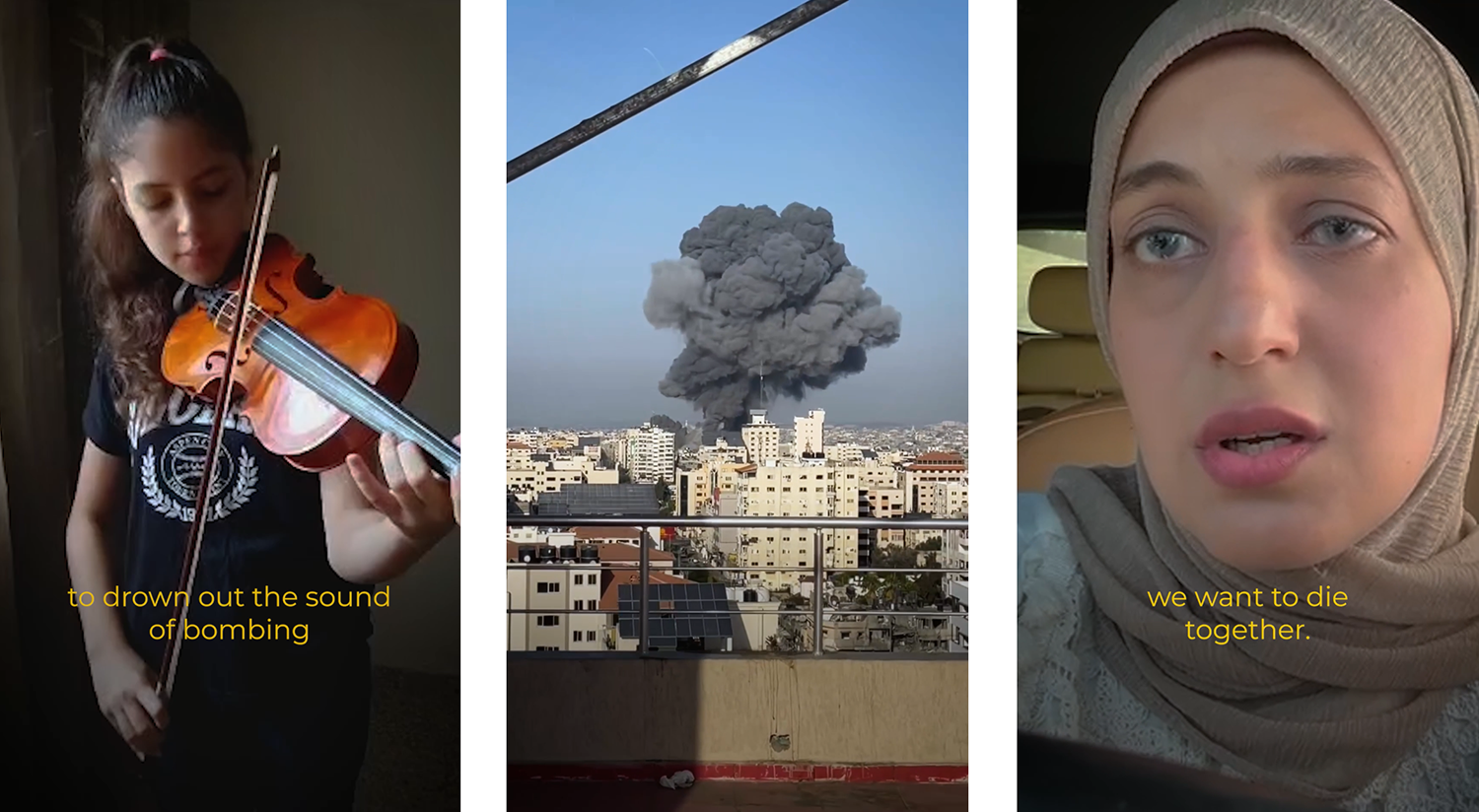
Al Jazeera Digital presents a look at, as the title says, a single day in Gaza while under siege in 2023, through videos shot by everyday Palestinians with their phone cameras. The images tell the full story of what it’s like to live through war, showing not only explosions and attacks but also the smaller moments that make up a life, like a child practicing the violin or a group of people smiling and singing together in a moment of hopeful connection. The work is particularly powerful given that it takes place just two months after the October 7 violence that sparked the war, giving the world a portrait of life inside when few journalists could enter without oversight and censorship.
Where to Watch: YouTube
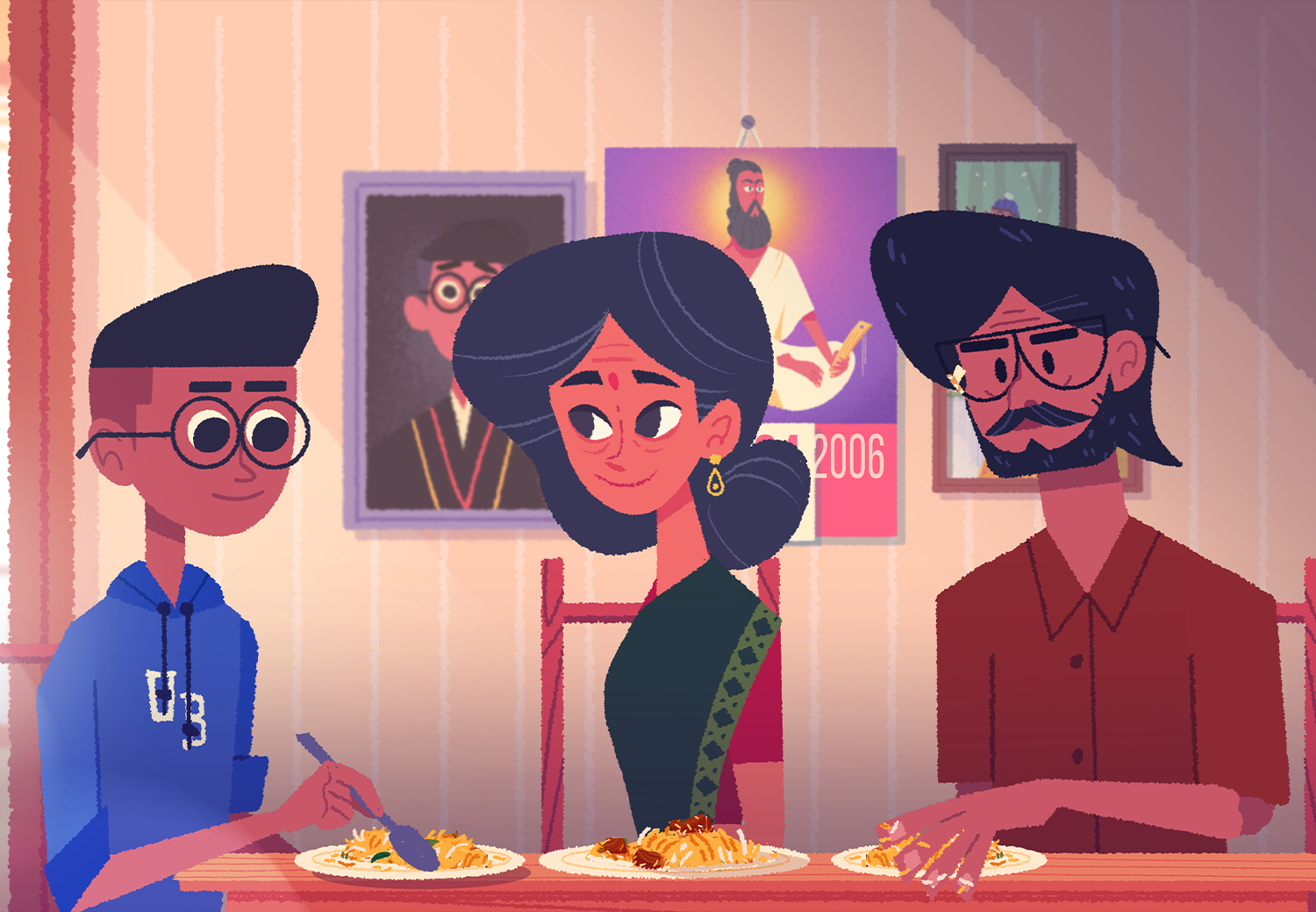
This narrative cooking game lets players step into the shoes of an Indian mother experiencing immigrant life in Canada, rediscovering her cultural roots through cooking. It delves into family dynamics, especially the complicated relationship between Venba and her son, Kavin, emphasizing themes of love, loss, and the struggles faced by first-generation immigrants.
Where to Download: Venbagame.com
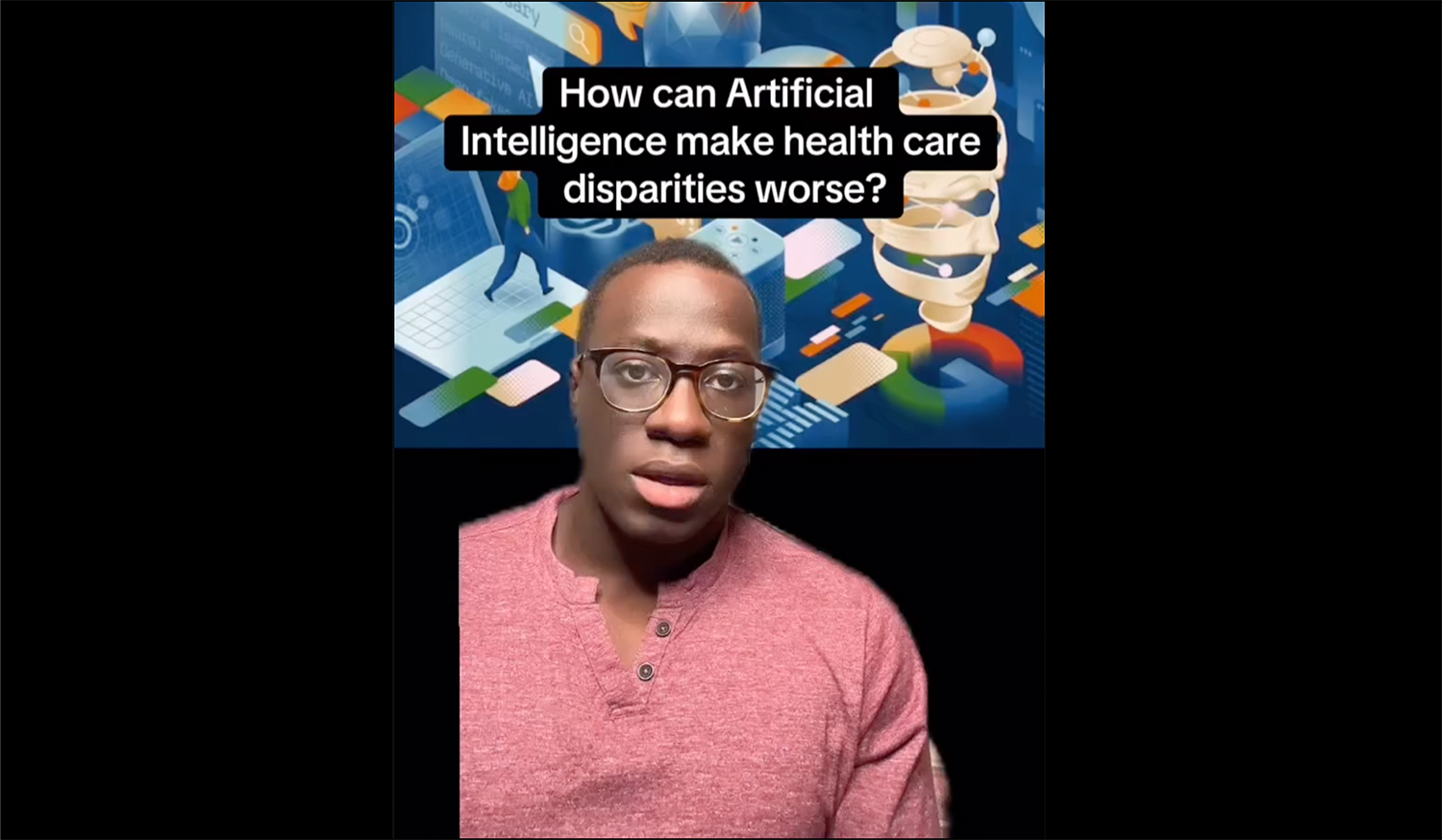
Self-styled “medical mythbuster” Dr. Joel Bervell uses Instagram and TikTok short-form videos to show viewers how doctors, nurses, institutions, and science routinely fail people of color. His hundreds of mini-documentaries explain how racial bias has affected pain assessments, kidney transplants, X-rays, lung-capacity tests, and diagnosis of chronic traumatic encephalopathy (CTE), among other areas of interest.
Where to Watch: Instagram @joelbervell
Dr. Joel Bervell’s’s Peabody Conversation for ‘What Does Racial Bias in Medicine Look Like?’
“As I was in medical school during the COVID pandemic, I realized that we never really talked about race in a way that made sense,” Dr. Bervell says. “I realized there was a gap in the market to have these conversations. And my work online is really helping marginalized communities who haven’t seen their stories told in the medical field and beyond.”
Where to Watch: YouTube